Free website promotion strategies to boost visibility

Promotion website work ideas optimize seo

Free website promotion strategies are essential for anyone looking to enhance their online presence and attract more visitors. In a digital world saturated with competition, understanding how to effectively promote your website without breaking the bank can make all the difference. This guide will delve into various approaches to elevate your site’s visibility, touching on social media, networking techniques, and video marketing.

By leveraging these methods, you can create a compelling online presence that not only reaches more users but also engages them in meaningful ways. Whether you’re a small business owner or a passionate blogger, these strategies will equip you with the tools necessary for success.

Free Website Promotion Strategies Overview

In today’s digital landscape, effectively promoting a website is crucial for enhancing online visibility and reaching potential customers. With millions of websites vying for attention, employing free promotion strategies can help businesses stand out without straining their budgets. This overview will explore various free methods to promote your website effectively and provide tips for measuring the success of these strategies.Website promotion strategies are essential for driving traffic and increasing engagement.

By utilizing free methods, businesses can tap into organic reach and build a loyal audience over time. Here are several effective free promotion strategies to consider:

Search Engine Optimization ()

is a critical component in website promotion, aimed at improving a website’s ranking in search engine results. By optimizing content for relevant s, businesses can attract organic traffic. Key practices include:

  • Conducting research to identify high-traffic terms related to your niche.
  • Optimizing on-page elements such as title tags, headings, and meta descriptions.
  • Creating high-quality, informative content that addresses user needs.
  • Building backlinks from reputable sites to enhance authority.

The impact of can be significant, as search engines account for a large percentage of web traffic. For instance, businesses that rank in the top three positions on search engine results pages (SERPs) often experience a dramatic increase in visibility and clicks.

Social Media Engagement

Utilizing social media platforms is another effective way to promote a website for free. Engaging with audiences on platforms like Facebook, Twitter, and Instagram can drive traffic and build community. Here’s how to leverage social media:

  • Sharing valuable content that resonates with your audience.
  • Participating in conversations and responding to comments and messages.
  • Using relevant hashtags to expand the reach of your posts.
  • Collaborating with influencers or other brands to tap into their audiences.

Social media allows for real-time interaction, fostering a sense of connection with followers. This engagement can lead to increased brand loyalty and referrals, as satisfied customers are likely to share their positive experiences.

Content Marketing

Content marketing focuses on creating and distributing valuable content to attract and engage a target audience. This strategy can enhance brand awareness and drive traffic. Here are several approaches to effective content marketing:

  • Writing blog posts that provide solutions to common problems faced by your target audience.
  • Creating informative infographics that visually represent useful data.
  • Producing videos that can be shared across various platforms.
  • Offering free resources or tools that provide value, such as eBooks or guides.

High-quality content can position a business as an authority in its industry, encouraging visitors to return for more information and share it with others.

Email Marketing

Email marketing remains a powerful tool for promoting a website, allowing businesses to communicate directly with their audience. Free email marketing tools can help start this process effectively. Key strategies include:

  • Building an email list by offering incentives for sign-ups, like exclusive content or discounts.
  • Sending regular newsletters with updates, promotions, and valuable content.
  • Personalizing emails to cater to individual recipient preferences.
  • Encouraging subscribers to share emails with friends and family to expand reach.

Email marketing can lead to higher conversion rates, as targeted messages are more likely to resonate with recipients.

Measuring the Success of Promotional Strategies

Measuring the effectiveness of free promotional strategies is essential for understanding what works. Here are several key performance indicators (KPIs) to consider:

  • Website traffic: Use tools like Google Analytics to track the number of visitors and their behavior on the site.
  • Conversion rate: Measure how many visitors take desired actions, such as signing up for a newsletter or making a purchase.
  • Engagement metrics: Monitor social media interactions, including likes, shares, and comments.
  • Search engine rankings: Regularly check rankings to assess effectiveness.

By analyzing these metrics, businesses can refine their promotional strategies over time, ensuring continued growth and engagement.

Social Media and Networking Techniques

Free website promotion strategies

To effectively promote your website, leveraging social media and networking techniques is crucial. Social media platforms provide a vast audience and an opportunity to engage with potential visitors directly. By employing strategic networking, you can enhance your website’s visibility and attract more traffic.Social media is a powerful tool for website promotion, allowing for real-time engagement and sharing. This section explains how to utilize various platforms effectively and Artikels networking strategies to boost traffic.

Leveraging Social Media Platforms

Social media platforms like Facebook, Twitter, Instagram, and LinkedIn can significantly amplify your online presence. Here are effective strategies for promoting your website through these channels:

  • Create Shareable Content: Craft engaging and valuable content that encourages users to share it with their networks, increasing organic reach.
  • Utilize Visuals: Posts with images or videos tend to generate higher engagement. Infographics or short videos summarizing your content can be particularly effective.
  • Engage with Followers: Respond to comments and messages promptly. Building a community around your brand can lead to loyal visitors who actively promote your website.
  • Run Contests or Giveaways: Incentivizing shares and interactions through contests can rapidly increase your audience and drive traffic to your site.

Effective Social Networking Strategies

Networking can create valuable connections that lead to website promotion. Here are some strategies that can increase traffic through social networking:

  • Join Relevant Groups: Participate in groups related to your niche on platforms like Facebook or LinkedIn. Share insights and link back to your website when appropriate.
  • Collaborate with Influencers: Partnering with influencers in your industry can expose your website to their followers, driving traffic and building credibility.
  • Attend Virtual Events: Webinars and online conferences provide opportunities to network and share your website with like-minded individuals.
  • Engage in Industry Discussions: Commenting on relevant posts or articles can establish your authority and encourage others to check out your website.

The Role of Social Bookmarking

Social bookmarking can play a significant role in expanding your website’s reach. By submitting your website links to social bookmarking sites, you can enhance visibility and encourage more visits. The following points highlight its importance:

  • Increased Visibility: Bookmarking your website on platforms like Reddit or Digg can attract users looking for new content.
  • Traffic Generation: When users discover and click on your links, it can lead to a surge in traffic and improve your site’s ranking.
  • Community Engagement: Engaging with users who bookmark your content provides an opportunity to interact and foster a loyal audience.

“Utilizing social media and networking effectively can transform your website’s reach and engagement, turning casual visitors into loyal followers.”

Video Marketing and Streaming

Video marketing is a powerful tool for boosting website engagement and attracting new visitors. As online consumption of video content continues to rise, integrating video into your marketing strategy can significantly enhance the user experience on your website. This guide explores how to leverage video marketing effectively, the best platforms for video streaming, and techniques to improve through video integration.

Guide on Using Video Marketing to Boost Website Engagement

Utilizing video marketing can increase the visibility and engagement of your website. Videos can convey complex information quickly and effectively, appealing to a broad audience. Here are some strategies to enhance your website engagement using video marketing:

  • Create Engaging Content: Focus on producing high-quality videos that are entertaining, informative, or both. Content such as tutorials, behind-the-scenes looks, and customer testimonials can resonate well with viewers.
  • Use Call-to-Action: Always include a clear call-to-action (CTA) at the end of your videos. This could be directing viewers to subscribe, visit your website, or engage with other content.
  • Optimize Video Length: Keep your videos concise. Research suggests that videos under two minutes hold viewers’ attention better, making them more likely to engage with your content.
  • Promote Video Content: Share your videos across various platforms such as social media, email newsletters, and on your website to expand reach and drive traffic.

Platforms for Video Streaming that Can Promote a Website

Selecting the right platforms for video streaming is crucial to maximizing your reach and engagement. Here are some popular platforms that can help promote your website effectively:

  • YouTube: As the largest video-sharing platform, YouTube allows you to reach a massive audience. By optimizing your video titles, descriptions, and tags, you can enhance discoverability and drive traffic to your website.
  • Vimeo: Known for its professional quality, Vimeo is ideal for businesses looking to showcase high-quality video content. It also allows for customizable video players that can be embedded directly on your website.
  • Facebook Live: Live streaming on Facebook promotes real-time engagement with your audience, allowing you to answer questions and drive immediate traffic to your website.
  • Instagram Reels: Short, snappy videos on Instagram can capture attention quickly. Use them to promote products or share valuable tips that link back to your website.

Techniques for Integrating Videos into Website Content for Better Results

Integrating videos into your website doesn’t just enhance user experience; it can also significantly improve your ranking. Here are effective techniques for optimizing video content for :

  • Optimize Video Metadata: Ensure video titles, descriptions, and tags are -rich and relevant to the content. This helps search engines understand the context of the video.
  • Provide Transcriptions: Including a text transcription of your video content can enhance accessibility and allow search engines to index your video’s content, improving discoverability.
  • Embed Videos on Relevant Pages: Position your videos on pages where they provide value, such as product pages or blog posts. This can increase the time visitors spend on your site, which positively influences .
  • Use Schema Markup: Implementing schema markup for video content helps search engines understand your video content better and can enhance visibility in search results.

“Incorporating video into your web strategy can lead to a 157% increase in organic traffic from search engines.”

Final Thoughts

Promotion website work ideas optimize seo

In summary, mastering free website promotion strategies can significantly impact your online visibility and audience engagement. By implementing the techniques discussed, such as utilizing social media effectively and incorporating video marketing, you can create a dynamic and interactive online presence. Remember, consistency and creativity are key in this digital landscape, so keep experimenting with different strategies to find what works best for you.

Question & Answer Hub

What are some effective free promotion methods?

Using social media, engaging in online communities, and creating shareable content are all effective free methods.

How can I measure the success of my promotional strategies?

Utilize analytics tools such as Google Analytics to track website traffic, engagement rates, and conversion metrics.

Is video marketing necessary for website promotion?

While not strictly necessary, video marketing can greatly enhance user engagement and improve your website’s .

Can social bookmarking help my website?

Yes, social bookmarking can increase your website’s reach and drive traffic by allowing users to share content easily.

How often should I promote my website on social media?

Consistency is key; aim to post regularly without overwhelming your audience, typically a few times a week works well.
Mobile-first indexing and SEO Strategies for Success

Indexing seo cloud

Mobile-first indexing and are reshaping how businesses approach their online presence, reflecting the growing importance of mobile usability in today’s digital landscape. As more users access websites via mobile devices, search engines have shifted their focus to prioritize mobile-friendly sites in their rankings, making it crucial for webmasters to adapt.

This shift means that understanding mobile-first indexing isn’t just a technical necessity; it’s a strategic imperative. By implementing best practices tailored for mobile optimization, businesses can enhance their visibility and ensure an optimal user experience, ultimately leading to better engagement and conversions.

Mobile-First Indexing and Its Importance

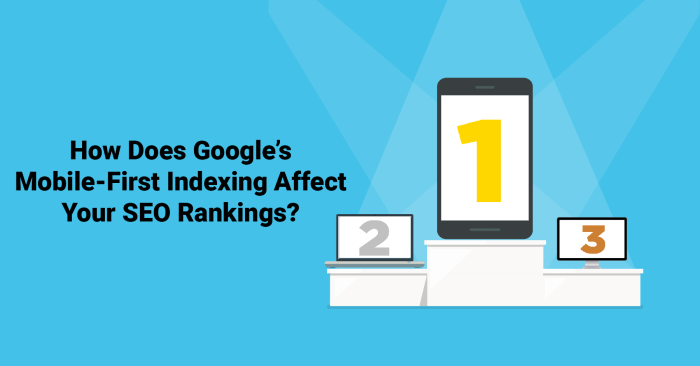
Mobile-first indexing is a crucial development in the way search engines evaluate and rank websites. As more users access the internet via mobile devices, search engines like Google have adapted their indexing methods to prioritize mobile versions of web content. This shift signifies a transition where the mobile version of a site is considered the “primary” version, impacting its visibility and ranking in search results.The significance of mobile-first indexing lies in its reflection of user behavior and technological trends.

With mobile traffic surpassing desktop in many regions, search engines aim to deliver the most relevant content to users based on their browsing preferences. Consequently, websites that are not optimized for mobile may find themselves at a disadvantage in search rankings. This transformation urges webmasters to prioritize mobile design, ensuring seamless user experiences that can significantly influence engagement and conversion rates.

Impact on Website Rankings

The adoption of mobile-first indexing directly affects how websites are ranked on search engines. When a search engine crawls websites, it now prioritizes the mobile version for indexing and ranking. This change introduces a new set of criteria for evaluating a site’s relevance and quality. Websites that provide an optimal mobile experience often enjoy higher search rankings, while those lagging behind in mobile optimization risk lower visibility.

Factors influencing rankings include:

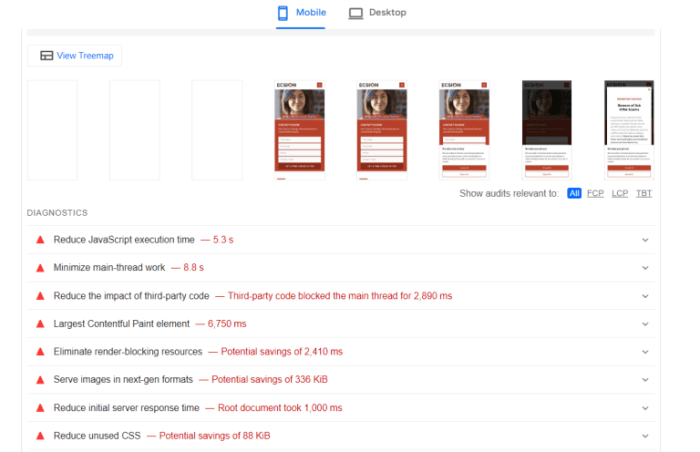
  • Page load speed, where faster-loading pages retain users better and improve rankings.
  • Mobile usability, which encompasses ease of navigation and overall user experience on mobile devices.
  • Content accessibility, ensuring that important information is readily available and not hidden behind expandable menus or features that may not function well on mobile.
  • Responsive design, which allows a website to adapt to any screen size, maintaining functionality and aesthetic appeal.

The importance of these factors cannot be overstated, as a mobile-friendly site not only meets user expectations but also aligns with search engine algorithms designed to deliver the best search results.

Best Practices for Optimizing for Mobile-First Indexing

To effectively optimize a website for mobile-first indexing, several best practices should be implemented. These practices enhance the site’s performance on mobile devices while meeting search engine criteria:

  • Use responsive web design: This ensures that your website’s layout adjusts seamlessly to different screen sizes without compromising content quality.
  • Optimize images: Utilize appropriately sized images and modern formats like WebP to enhance load times and performance.
  • Improve page speed: Minimize HTTP requests, leverage browser caching, and utilize Content Delivery Networks (CDNs) to ensure quick loading times, which is crucial for mobile users.
  • Prioritize above-the-fold content: Ensure that critical content is immediately visible without excessive scrolling, improving user engagement.
  • Implement structured data: Using schema markup helps search engines understand the context of your content, enhancing rich snippets in search results.
  • Test mobile usability: Regularly use tools like Google’s Mobile-Friendly Test to check how well your site performs on mobile devices and make necessary adjustments.

Implementing these best practices not only positions a website favorably for search engine rankings but also improves overall user satisfaction, which is a vital component in today’s digital landscape.

Strategies for Enhancing with Mobile-First Indexing

Mobile-first indexing and SEO

In an era where mobile devices dominate internet usage, optimizing your website for mobile-first indexing is crucial for improving your . Strategies to enhance in this context not only boost your site’s visibility but also enhance user experience across various devices. Below are effective methods to ensure your website performs well on mobile platforms.

Improving Website Performance on Mobile Devices

The performance of a website on mobile devices can significantly impact its search engine ranking. A fast-loading website is essential because users tend to abandon sites that take too long to load. Here are some strategies to enhance mobile performance:

  • Optimize Images: Use compressed and appropriately sized images to reduce loading times without sacrificing quality. Tools like TinyPNG can help achieve this effectively.
  • Minimize HTTP Requests: Reduce the number of elements on your page to lower the number of HTTP requests during loading. Consolidating CSS and JavaScript files can be beneficial.
  • Leverage Browser Caching: Enable caching to allow returning visitors to load your site faster. This can be achieved through setting appropriate cache control headers.
  • Implement Lazy Loading: Load images and videos only when they enter the viewport, which reduces initial load times and improves overall user experience.
  • Utilize Content Delivery Networks (CDNs): CDNs can distribute your content across multiple locations, ensuring faster delivery based on the user’s geographical location.

Ensuring Content Accessibility and User Experience on Mobile

Content accessibility and user experience are paramount when it comes to mobile-first indexing. The goal is to create an engaging and intuitive experience for users on smaller screens. Consider the following practices:

  • Use Legible Font Sizes: Ensure text is easily readable without users having to zoom in. A minimum font size of 14px is recommended.
  • Design for Touch: Make buttons and clickable elements large enough to be tapped easily without worrying about precision. A minimum target size of 44×44 pixels is suggested.
  • Prioritize Content: Place the most important information at the top of the page to capture user attention immediately.
  • Eliminate Pop-ups: Avoid intrusive pop-up ads that can hinder the user experience. Use banners that take up less space and are easy to dismiss.
  • Test Across Devices: Regularly test your site on various mobile devices and browsers to identify usability issues and make necessary adjustments.

Role of Responsive Design in Mobile-First Indexing and

Responsive design plays a critical role in mobile-first indexing and search engine optimization. It ensures that your website automatically adjusts to different screen sizes and orientations, providing a seamless experience regardless of the device used. Here are some key points about responsive design:

  • Unified URL Structure: A responsive website uses the same URL for both desktop and mobile versions, simplifying the indexing process for search engines.
  • Enhanced User Experience: Responsive design enables a consistent and user-friendly experience across all devices, which reduces bounce rates and improves engagement.
  • Improved Performance: Responsive sites are often faster because they serve the same HTML to all devices, adapting content layout via CSS.
  • Better Signals: Search engines, like Google, favor responsive design, which means responsive sites are more likely to rank higher in search results.
  • Future-Proofing: With the rapid evolution of devices, responsive design ensures your website remains accessible and visually appealing, regardless of new screen sizes or resolutions.

Responsive design is not just a trend, but a fundamental approach to web design that enhances both user experience and performance.

Integrating Mobile-First Indexing with Digital Marketing

The integration of mobile-first indexing into digital marketing strategies is essential for businesses looking to thrive in today’s digital landscape. As mobile usage continues to surge, understanding the implications of this shift on marketing efforts can help ensure that brands remain competitive and visible. Mobile-first indexing means that Google primarily uses the mobile version of a website’s content for indexing and ranking.

Thus, aligning digital marketing strategies with mobile-first principles is crucial for optimizing visibility and engagement.The relationship between mobile-first indexing and search engine marketing (SEM) is significant. Since mobile devices are now the primary means through which users access the internet, ensuring that SEM campaigns are mobile-optimized can enhance their effectiveness. A well-structured, mobile-friendly website not only improves user experience but also positively impacts Quality Scores in paid search campaigns.

This creates a cycle where mobile optimization leads to better ad placements and, consequently, increased traffic and conversions.

Strategies for Promoting Websites on Social Media with Mobile Usability Considerations

Social media platforms are predominantly accessed via mobile devices, making it essential to implement strategies that enhance mobile usability. Here are key strategies to consider:

  • Visual Content Optimization: Since social media is heavily reliant on visuals, ensure that images and videos are optimized for mobile viewing. Content should load quickly and be formatted for mobile screens.
  • Short-Form Content: Create concise and engaging posts that capture attention quickly. Mobile users tend to skim content, so direct messaging is vital.
  • Mobile-Friendly Landing Pages: Always link social media posts to landing pages that are mobile-optimized. This ensures seamless navigation and reduces bounce rates.
  • Utilize Stories and Reels: Platforms like Instagram and Facebook offer story features that are designed for mobile use. These formats can increase engagement and provide quick, digestible information.
  • Call-to-Action Buttons: Incorporate clear and easy-to-click call-to-action buttons in your posts, ensuring they are optimized for mobile devices to encourage user interaction.

Comparing Web Hosting Solutions for Mobile-First Indexing Support

Selecting the right web hosting solution is crucial for effective mobile-first indexing. The hosting environment directly affects page load times and overall mobile performance. Here’s a comparison of different hosting types that support mobile-first indexing:

  • Shared Hosting: Economical but often slower due to resource limitations. While suitable for small websites, it may not support mobile-first indexing well during peak traffic.
  • VPS Hosting: Offers a balance between performance and cost. Provides dedicated resources which can enhance loading speeds, positively impacting mobile user experience.
  • Cloud Hosting: Highly scalable and reliable, cloud hosting distributes resources across multiple servers, ensuring fast load times even under heavy traffic, which is ideal for mobile usage.
  • Managed WordPress Hosting: Optimized specifically for WordPress sites, this hosting type ensures fast performance and security, crucial for mobile-first indexing.
  • Dedicated Hosting: Offers complete control and maximum performance, making it the best option for large websites with high traffic volumes but comes at a higher cost.

“Choosing the right hosting solution is fundamental to ensuring that mobile-first indexing efforts yield positive results, ultimately driving user engagement and satisfaction.”

Ending Remarks

Indexing seo cloud

In conclusion, embracing mobile-first indexing and integrating effective strategies is vital for businesses hoping to thrive in a competitive digital environment. By focusing on mobile optimization, site performance, and user experience, companies can not only improve their search rankings but also foster deeper connections with their audience. Adapting to this mobile-centric approach can open doors to new opportunities and ensure long-term success.

Questions and Answers

What is mobile-first indexing?

Mobile-first indexing means that Google primarily uses the mobile version of a website for ranking and indexing, reflecting the habits of users who predominantly browse on mobile devices.

How can I check if my site is mobile-friendly?

You can use Google’s Mobile-Friendly Test tool to see if your site passes mobile compatibility checks and receive suggestions for improvement.

What are the best practices for mobile optimization?

Best practices include using responsive design, optimizing images, improving loading speed, and ensuring easy navigation for mobile users.

Does mobile-first indexing affect desktop versions?

While mobile-first indexing emphasizes mobile versions for ranking, it does not directly harm desktop rankings as long as the desktop version is also optimized.

How does page speed impact mobile-first indexing?

Page speed significantly affects mobile-first indexing since faster-loading pages provide a better user experience, which can lead to improved rankings.

Social engineering attack examples and prevention strategies

Social engineering attack examples

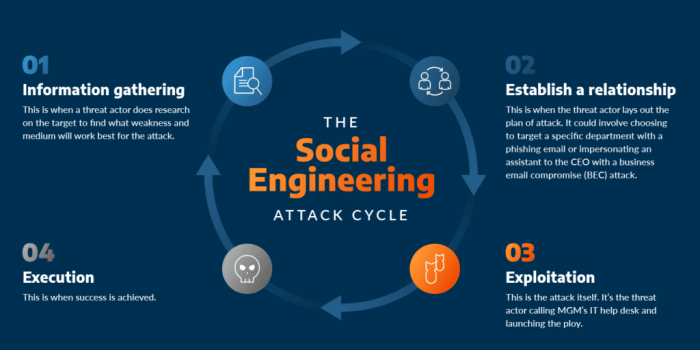
Social engineering attack examples set the stage for this enthralling narrative, inviting readers to dive into the clever tactics used by attackers to manipulate individuals and organizations alike. These attacks exploit human psychology, often revealing how unsuspecting individuals can be led astray without the use of traditional hacking methods.

From phishing schemes that trick users into revealing sensitive information to pretexting scenarios that create elaborate stories, understanding these tactics is crucial in today’s digital landscape. Each example sheds light on the vulnerabilities that can be exploited, emphasizing the need for awareness and proactive measures to safeguard against these deceptive strategies.

Social Engineering Attack Types

Social engineering attacks manipulate human psychology to exploit individuals and organizations. These tactics often bypass technical security measures by tricking people into providing sensitive information. Understanding various attack types is crucial for developing effective countermeasures against such threats.

Phishing Attacks

Phishing is one of the most common forms of social engineering, where attackers impersonate legitimate entities to deceive individuals into revealing personal information. These attacks are typically conducted through emails, messages, or websites that appear authentic.Victims often receive an email that looks like it’s from a trusted source, such as a bank or an online service. This communication usually contains a sense of urgency, prompting the recipient to click on a link or download an attachment.

Once the victim interacts with the fraudulent content, their sensitive data may be compromised. The following elements are frequently found in phishing attacks:

  • Imitation of trusted sources: Attackers replicate branding and language used by legitimate organizations.
  • Urgency: The message often conveys a sense of immediate action, pressuring the victim to respond quickly.
  • Malicious links: Clicking these links can lead to phishing websites designed to harvest credentials.
  • Attachments: Malicious files may contain malware that compromises the victim’s system.

According to a report by the Anti-Phishing Working Group, phishing attacks doubled in the past year, underscoring the need for vigilance and education.

Pretexting Scenarios

Pretexting involves creating a fabricated scenario to obtain information from a target. This method often relies on impersonating someone in authority or a trusted figure to build credibility.In pretexting scenarios, the attacker may pose as a company employee, a vendor, or even a government official. The intent is to establish trust and engage the victim in conversation, making it easier to extract sensitive information.

Examples of pretexting include:

  • Impersonating tech support: An attacker may call an employee, claiming to be from IT, and ask for login credentials under the pretext of performing maintenance.
  • Fake job interviews: A scammer might pose as a recruiter, asking candidates for personal information to complete a supposed background check.
  • Charity scams: During crises, attackers may impersonate charitable organizations, urging individuals to provide financial information to donate.

The implications of pretexting can be severe, leading to unauthorized access to sensitive company data or even financial loss.

Real-World Case Studies

Successful social engineering attacks have occurred across various sectors, demonstrating their effectiveness and the importance of awareness.One notable case is the Target data breach in 2013, where attackers used stolen credentials from a third-party vendor to gain access to the retailer’s network. They deployed malware on point-of-sale systems, compromising the credit card information of over 40 million customers. This breach highlighted vulnerabilities in vendor management and the need for robust security protocols.Another example is the 2020 Twitter hack, where attackers used social engineering techniques to gain access to internal tools.

They impersonated Twitter’s IT staff, manipulating employees into resetting accounts of high-profile individuals. This incident underscored the potential for significant reputational damage and financial loss when social engineering tactics are used effectively.These case studies illustrate not only the sophistication of social engineering attacks but also the critical need for ongoing education and security measures within organizations.

Recognizing and Preventing Social Engineering Attacks

Social engineering attacks exploit human psychology to manipulate individuals into divulging sensitive information. Recognizing these attacks is crucial for maintaining personal and organizational security. This section will Artikel common signs of social engineering attempts, effective training strategies, a helpful checklist for threat assessment, and techniques to enhance security against such attacks.Recognizing the signs of social engineering can significantly reduce the chances of falling victim to these tactics.

Social engineers often use various forms of communication—email, phone calls, or even in-person interactions—to execute their schemes. Key indicators of a potential social engineering attempt include:

  • Urgency: The attacker may create a false sense of urgency, pressuring individuals to act quickly without thorough consideration.
  • Unusual Requests: Requests for sensitive information or actions that deviate from standard procedures often signal a potential threat.
  • Unknown Sources: Emails or calls from unfamiliar contacts or unexpected communication from known sources can raise red flags.
  • Emotional Manipulation: Attackers might play on emotions, using fear or sympathy to coerce individuals into compliance.

Effectively training employees to identify social engineering tactics is essential for building a resilient organizational culture. Training programs should focus on:

  • Real-life Scenarios: Incorporating case studies of past social engineering incidents helps employees understand how these attacks occur.
  • Interactive Workshops: Hands-on activities and role-playing can enhance recognition skills and reinforce learning.
  • Regular Updates: Keeping training materials current with emerging threats ensures that knowledge remains relevant and actionable.
  • Assessment Tools: Implementing quizzes or simulations can help measure employees’ understanding and readiness to respond to potential threats.

A checklist can assist individuals in assessing potential threats during interactions. Being vigilant and aware of the following points can bolster personal security:

  • Verify the identity of the requester before sharing any information.
  • Look for inconsistencies in communication—such as mismatched email domains or language usage.
  • Be cautious with links and attachments; hover over links to see their real destination before clicking.
  • Trust your instincts; if something feels off, investigate further before taking action.

Enhancing personal and organizational security against social engineering attacks requires a multifaceted approach. Effective techniques include:

  • Implementing Strong Access Controls: Limiting access to sensitive information according to need can prevent unauthorized disclosures.
  • Regular Security Audits: Conducting frequent assessments of security protocols helps identify and rectify vulnerabilities.
  • Encouraging a Security-conscious Culture: Fostering an environment where employees feel comfortable reporting suspicious activity can lead to timely interventions.
  • Utilizing Technology: Deploying security software to detect phishing attempts and malware can provide an additional layer of protection.

By recognizing the signs of social engineering, training employees effectively, utilizing checklists for threat assessment, and implementing robust security measures, individuals and organizations can fortify their defenses against these deceptive attacks.

Related Topics and Their Connection to Security

Social engineering attack examples

In today’s interconnected world, the influence of various digital platforms and marketing strategies cannot be underestimated, especially in the context of social engineering attacks. Understanding how these elements interact with security practices is vital for both individuals and organizations. Delving into the role of social media, search engine marketing, web design, and video marketing offers essential insights into the complexities of maintaining security in our digital landscape.

Role of Social Media in Facilitating Social Engineering Attacks

Social media platforms serve as a goldmine for attackers aiming to exploit human psychology. The accessibility of personal information makes it easier for fraudsters to craft convincing narratives. Users often share details about their lives, interests, and networks, which can be leveraged to create tailored phishing attempts or impersonate trusted contacts.

Targeted impersonation becomes increasingly effective when attackers can reference specific information gleaned from social media profiles.

The following points illustrate the connection between social media and social engineering:

  • Information Gathering: Attackers can collect data about potential victims, including their location, employment, and relationships.
  • Phishing Opportunities: Customized messages based on personal connections can increase the likelihood of a recipient falling for a scam.
  • Reputation Damage: A successful attack can lead to identity theft, which may tarnish the victim’s reputation and financial stability.

Overview of Search Engine Marketing Misuse

Search engine marketing (SEM) can be manipulated to facilitate social engineering attacks. Malicious actors may create deceptive advertisements designed to mislead users into clicking through to harmful sites. This tactic not only undermines trust in legitimate advertising but also highlights the risks associated with online searches.

A poorly managed SEM strategy can lead to increased vulnerability for users seeking genuine products or services.

The misuse of SEM can occur in various forms:

  • Ad Spoofing: Attackers can create fake ads that mimic legitimate businesses, leading users to phishing sites.
  • Hijacking: Competitors may use targeted s to divert traffic to malicious websites.
  • Malware Distribution: Ads may direct users to download harmful software disguised as legitimate applications.

Importance of Web Design and Development in Preventing Vulnerabilities

Effective web design and development play a crucial role in establishing security measures that mitigate social engineering threats. A well-designed website not only enhances user experience but also integrates security features that protect against exploitation.

Security should be a fundamental aspect of web development, rather than an afterthought.

Consider these essential security design principles:

  • HTTPS Implementation: Secure connections prevent data interception during transmission, safeguarding user information.
  • User Authentication: Strong authentication measures, such as two-factor authentication, can reduce unauthorized access.
  • Regular Security Updates: Keeping software and plugins up to date minimizes vulnerabilities that attackers could exploit.

Influence of Video Marketing and Streaming in Creating Awareness Around Security

Video marketing and streaming platforms have emerged as powerful tools for raising awareness about security issues. Engaging visual content can effectively communicate the importance of cybersecurity practices to a broad audience.

Videos can simplify complex security concepts, making them more accessible and relatable for viewers.

Here are ways video marketing contributes to security awareness:

  • Educational Content: Tutorials and webinars can help explain the significance of recognizing social engineering tactics.
  • Real-Life Scenarios: Case studies presented in video format can illustrate the consequences of neglecting security measures.
  • Community Engagement: Platforms allow for interaction through comments and discussions, fostering a community focused on security best practices.

Final Conclusion

Social engineering attack examples

In conclusion, social engineering attacks pose a significant threat in an increasingly connected world. By recognizing the signs and employing effective prevention strategies, individuals and organizations can fortify their defenses and minimize risks. Ultimately, staying informed and vigilant is essential to outsmarting those who seek to exploit human trust.

Query Resolution

What is social engineering?

Social engineering is the psychological manipulation of people into performing actions or divulging confidential information, often used by attackers to gain unauthorized access to systems or data.

How can I recognize a phishing attempt?

Look for suspicious email addresses, poor grammar, urgent requests for sensitive information, and unexpected attachments or links, which are common signs of phishing.

What can organizations do to prevent social engineering attacks?

Organizations can conduct regular training programs, create awareness campaigns, and establish clear protocols to help employees recognize and respond to potential social engineering threats.

Are social engineering attacks only digital?

No, social engineering attacks can occur in both digital and physical forms, including phone calls, in-person encounters, and social media platforms.

What is pretexting in social engineering?

Pretexting involves creating a fabricated scenario to obtain information from a target, often using a false identity to build trust and manipulate the individual into sharing sensitive details.

Phishing attack prevention tips for a safer online experience

Phishing prevention attack must tips know homepage security

Phishing attacks are becoming increasingly sophisticated, and understanding how to prevent them is crucial for everyone in today’s digital age. These deceptive tactics not only threaten your personal information but can also lead to severe financial consequences. By exploring the various types of phishing attacks and the psychological strategies employed by attackers, we can equip ourselves with the knowledge needed to stay safe online.

In this guide, we will delve into effective prevention strategies, including how to recognize potential phishing emails, implement multi-factor authentication, and secure your personal information. With the right tools and awareness, you can significantly reduce your risk of falling victim to these scams.

Phishing Attack Awareness

Phishing attacks have become a prevalent threat in today’s digital landscape, targeting unsuspecting individuals and organizations alike. Understanding the various types of phishing attacks and the tactics employed by attackers is crucial for enhancing our defenses against such threats. Awareness plays a key role in recognizing these malicious attempts and safeguarding sensitive information.Phishing attacks can take several forms, each designed to deceive victims into divulging personal or financial information.

The most common types include:

Types of Phishing Attacks

Phishing attacks can manifest in different ways, each utilizing distinct methods to trick victims. Here are some prevalent types:

  • Email Phishing: This is the most classic form where attackers send fraudulent emails that appear to come from legitimate sources, often mimicking banks or well-known companies.
  • Spear Phishing: Unlike generic phishing emails, spear phishing targets specific individuals or organizations, using personal information to make the attack more convincing.
  • Whaling: A subtype of spear phishing, whaling specifically targets high-profile individuals such as executives, utilizing highly personalized tactics.
  • Vishing: Voice phishing or vishing involves phone calls where attackers impersonate legitimate entities to obtain sensitive information from victims.
  • Smishing: This form of phishing uses SMS messages to lure victims into clicking links or providing personal information.

The effectiveness of these attacks often hinges on the psychological tactics used by attackers. By exploiting human emotions and cognitive biases, they can manipulate individuals into acting against their better judgment.

Psychological Tactics Used by Attackers

Phishing attackers employ various psychological tactics to exploit vulnerabilities in human behavior. Understanding these tactics can aid in recognizing and resisting potential attacks. Key tactics include:

  • Urgency: Attackers often create a sense of urgency, prompting victims to act quickly without fully considering the implications.
  • Fear: Many phishing attempts invoke fear, warning victims of account suspensions or security breaches, compelling them to provide information to “resolve” the issue.
  • Trust: By impersonating familiar and trusted organizations, attackers create an illusion of safety that encourages victims to lower their guard.
  • Curiosity: Promising enticing rewards or exclusive offers can lure victims into clicking on malicious links, driven by their curiosity.

Real-life phishing attacks highlight the devastating impact these scams can have on individuals and organizations.

Examples of Real-Life Phishing Attacks

Several high-profile phishing attacks have made headlines, showcasing the far-reaching consequences of such threats:

  • Target Data Breach (2013): Attackers sent a phishing email to a third-party vendor, gaining access to Target’s network and compromising the personal information of 40 million credit and debit card accounts.
  • Google and Facebook Scam (2013-2015): A Lithuanian hacker impersonated a major Taiwanese manufacturer to steal over $100 million from Google and Facebook through fraudulent invoices.
  • Ubiquiti Networks (2015): A series of phishing emails caused a loss of $46.7 million when attackers tricked employees into transferring funds to overseas accounts.

These incidents underscore the importance of maintaining a heightened awareness of phishing threats and implementing robust security measures to mitigate the risks associated with them.

Prevention Strategies

Phishing attack prevention tips

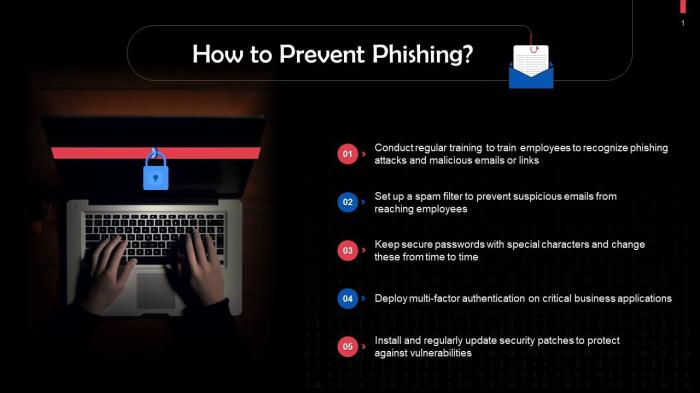
In today’s digital world, recognizing and preventing phishing attacks is crucial for keeping your personal information secure. By understanding the common tactics used by cybercriminals and implementing effective strategies, you can significantly reduce the risk of falling victim to these schemes. Below, we delve into the best practices for identifying phishing emails, securing personal information online, and the importance of multi-factor authentication.

Best Practices for Identifying Phishing Emails

It’s essential to recognize the signs of phishing emails to protect your sensitive information. Cybercriminals often use deceptive tactics that can easily mislead unsuspecting individuals. Here are some key indicators to look out for:

  • Check the sender’s email address: Phishing emails often come from addresses that mimic legitimate businesses but may have slight variations or misspellings.
  • Look for generic greetings: Legitimate companies usually address you by your name, while phishing emails may use vague greetings like “Dear Customer.”
  • Be cautious of urgent language: Many phishing emails create a sense of urgency, prompting immediate action without thinking.
  • Inspect links before clicking: Hover over any links to see the actual URL they lead to; if it looks suspicious, don’t click.
  • Watch for unexpected attachments: Phishing emails may contain attachments that could introduce malware to your system.

Checklist for Securing Personal Information Online

Implementing a robust security strategy is essential for safeguarding your personal information. Consider the following checklist as a guide to secure your online presence effectively:

  • Use strong, unique passwords for each account.
  • Enable multi-factor authentication wherever possible.
  • Regularly update your software and applications to patch vulnerabilities.
  • Be cautious when sharing personal information on social media.
  • Monitor your financial accounts regularly for unauthorized transactions.

Importance of Multi-Factor Authentication

Multi-factor authentication (MFA) adds an extra layer of security to your online accounts, making it significantly harder for unauthorized users to gain access. This method requires you to confirm your identity through multiple verification methods, such as a password and a code sent to your mobile device. Implementing MFA can dramatically reduce the likelihood of breaches, even if your password is compromised.To set up multi-factor authentication, follow these steps:

  • Access the security settings of your account.
  • Select the option for multi-factor authentication.
  • Choose your preferred method of verification, such as SMS, email, or an authentication app.
  • Follow the prompts to complete the setup, ensuring you have a backup method in case your primary verification method is unavailable.

Enhancing security through multi-factor authentication is a proactive step in protecting your personal information online.

Tools and Resources

Phishing prevention attack must tips know homepage security

Phishing attacks continue to be a prevalent threat in the digital landscape, making it essential to stay informed and equipped with the right tools. Understanding the resources available for ongoing education, as well as software solutions for spam blocking and phishing protection, can significantly enhance your defense against these malicious attempts. Additionally, recognizing the role of social media in phishing attacks and implementing strategies to safeguard your accounts is vital.

Ongoing Education about Phishing Threats

Staying updated on the latest phishing threats is crucial for effective prevention. Various online resources provide valuable information to enhance awareness and education about phishing attacks. These resources include:

  • Cybersecurity Blogs: Websites like Krebs on Security and the SANS Internet Storm Center regularly publish articles and insights on new phishing trends and tactics.
  • Online Courses: Platforms like Coursera and Udemy offer courses on cybersecurity that cover phishing and other social engineering tactics.
  • Webinars and Workshops: Organizations such as the Anti-Phishing Working Group (APWG) host events that educate individuals on current threats and prevention strategies.

Software Solutions for Spam Blocking and Phishing Protection

A variety of software solutions are available to help protect against spam and phishing attacks. These tools enhance email security and can significantly reduce the chances of falling victim to fraudulent schemes. Consider the following options:

  • Email Filtering Services: Tools like SpamAssassin and Barracuda provide robust spam filtering to block phishing emails before they reach your inbox.
  • Browser Extensions: Extensions such as Web of Trust (WOT) and McAfee WebAdvisor help identify potentially dangerous websites and warn users before they click on harmful links.
  • Antivirus Software: Comprehensive antivirus solutions like Norton and Bitdefender include phishing protection features that block malicious websites and notify users of potential threats.

Social Media and Phishing Attacks

Social media platforms are increasingly targeted for phishing attacks, as they often contain personal information that can be exploited by cybercriminals. Understanding how to safeguard your accounts is essential in this digital age. Key strategies include:

  • Enable Two-Factor Authentication (2FA): Activating 2FA on social media accounts adds an extra layer of security, making it harder for attackers to gain unauthorized access.
  • Be Cautious with Links: Always verify the source of links shared on social media, as these can lead to phishing sites designed to steal personal information.
  • Regularly Review Privacy Settings: Adjusting privacy settings on social media can help limit the amount of personal information visible to the public, reducing the risk of phishing.

Closing Notes

In summary, protecting yourself from phishing attacks is not just about being cautious; it’s about being informed and proactive. By applying the tips and strategies discussed, you can enhance your online security and safeguard your sensitive information. Stay alert and educate yourself continuously, as the tactics of attackers evolve, so should your defenses.

Helpful Answers

What are the signs of a phishing email?

Common signs include generic greetings, spelling errors, unusual sender addresses, and urgent requests for personal information.

How can I report a phishing attack?

You can report phishing attempts to your email provider, local authorities, or organizations like the Federal Trade Commission (FTC).

Is it safe to click links in emails from known contacts?

Even from known contacts, be cautious; verify the message before clicking links, as accounts can be compromised.

What is multi-factor authentication?

Multi-factor authentication adds an extra layer of security by requiring two or more verification methods to access an account.

Can antivirus software protect me from phishing attacks?

While antivirus software can help block malicious sites, it should be used alongside other strategies for complete protection.

Search engine marketing budget planning made easy

Search engine marketing budget planning

Search engine marketing budget planning is crucial for businesses aiming to maximize their online presence and return on investment. Effective allocation of resources can turn a modest budget into powerful marketing results, making it essential for businesses of all sizes to grasp its fundamentals.

This guide dives into the components of a search engine marketing budget, explores various cost factors including and social media, and provides actionable strategies to ensure funds are utilized effectively. Understanding these aspects will empower marketers to make informed decisions and drive successful campaigns.

Understanding Search Engine Marketing Budget

Search engine marketing budget planning

Creating a well-structured budget for search engine marketing (SEM) is vital for any business looking to enhance its online visibility and drive traffic to its website. A thoughtfully planned budget not only maximizes your return on investment but also ensures that your marketing strategies align with your business goals. This section will cover the essential components of an SEM budget, examples tailored to different business sizes, and effective strategies for fund allocation.The components of a search engine marketing budget typically include research, ad spend, creative costs, and management fees.

Each of these elements plays a crucial role in shaping the overall effectiveness of your SEM campaigns.

Components of a Search Engine Marketing Budget

Understanding the key components of an SEM budget is essential for informed decision-making. Here are the primary elements to consider:

  • Research: This involves identifying the most relevant s for your business. Allocating funds towards tools that aid in analysis can lead to more targeted advertising.
  • Ad Spend: This is the portion of your budget that goes directly towards purchasing ad placements on search engines. Depending on competitiveness, this can vary significantly.
  • Creative Costs: This includes expenses related to designing ad copies and landing pages that are engaging and relevant to your audience.
  • Management Fees: If you are working with a digital marketing agency or a consultant, their service fees will also need to be factored into your budget.

Allocating your budget effectively can lead to improved performance and better results.

Budget Ranges for Different Business Sizes

The allocation of an SEM budget can greatly differ based on the size and scope of the business. Here are some typical budget ranges:

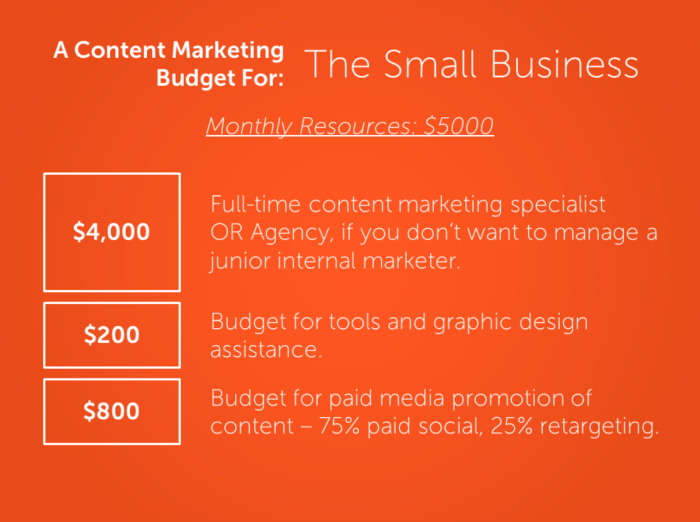
  • Small Businesses: Often start with a budget of $500 to $2,000 per month, focusing on local s and targeted ads to build brand awareness.
  • Medium-Sized Businesses: Typically allocate between $2,000 and $10,000 per month, combining broader strategies while also investing in creative and analytical resources.
  • Large Enterprises: These businesses often have budgets exceeding $10,000 per month, utilizing comprehensive SEM strategies across multiple channels and sophisticated analytics tools.

These ranges are flexible and can be adjusted as the business’s marketing goals evolve.

Strategies for Effective Fund Allocation

To ensure that your SEM budget is spent wisely, consider implementing the following strategies:

  • Prioritize High-Performing s: Focus on s that have historically delivered the most conversions and traffic, enabling better resource allocation.
  • Test and Optimize: Regularly test different ad copies and landing pages to determine which combinations yield the best results, and allocate more budget to the winning variants.
  • Use Data Analytics: Employ analytics tools to monitor performance metrics. This insight helps in reallocating funds toward campaigns that are performing well.
  • Adjust Based on Seasonality: Some businesses experience fluctuations in demand throughout the year. Adjust your budget according to high-demand periods to capitalize on increased search activity.

By employing these strategies, businesses can maximize the effectiveness of their SEM investments, leading to a more robust online presence and increased sales.

Evaluating Internet and Costs

Search engine marketing budget planning

Evaluating the costs associated with Search Engine Optimization () is a critical aspect of any marketing budget. As businesses increasingly turn to digital channels, understanding how to allocate resources effectively becomes key to driving organic traffic and improving visibility online. This segment delves into the financial implications of services, key metrics to assess their impact, and the cost-benefit analysis of in-house versus outsourced solutions.

Potential Costs Associated with Services

When planning for , businesses should consider various costs that can arise. These may include:

  • Consulting Fees: Many companies hire consultants or agencies, which can range from $100 to $300 per hour, depending on expertise and location.
  • Monthly Retainers: Engaging with an agency often involves monthly retainers, typically costing between $1,000 and $10,000 per month, depending on the project’s scope and requirements.
  • Technical Services: This includes expenses related to website audits, speed optimization, and mobile friendliness, which may require an investment of $500 to $5,000.
  • Content Creation: High-quality content is crucial for success, with costs ranging from $50 to $500 per article or more, depending on the content’s depth and quality.
  • Tools and Software: Subscriptions to tools like Moz, SEMrush, or Ahrefs can cost between $100 and $400 monthly, depending on features needed.

These costs can add up, making it essential for businesses to plan their budgets wisely.

Key Metrics to Track the ROI of Investments

Tracking the return on investment (ROI) of efforts is vital for justifying expenses and optimizing future strategies. The following metrics should be closely monitored:

  • Organic Traffic Growth: Monitoring the increase in visitors from organic search can indicate the effectiveness of strategies.
  • Conversion Rate: Assessing the percentage of visitors who take desired actions (like making a purchase or signing up) helps evaluate ‘s impact on sales.
  • Rankings: Keeping track of how well targeted s rank over time provides insight into the success of optimization efforts.
  • Cost Per Acquisition (CPA): Understanding how much is spent to acquire a customer through organic search is crucial in determining profitability.
  • Bounce Rate: A high bounce rate may indicate that visitors are not finding what they expect, prompting a review of content alignment with search intent.

These metrics create a comprehensive picture of how investments contribute to overall business goals.

Comparing In-House vs Outsourced Services

When deciding on management, businesses face the choice between cultivating an in-house team or outsourcing the function. Each option has distinct cost implications and potential benefits.

  • In-House : Maintaining an in-house team incurs costs such as salaries, benefits, and training. A skilled specialist might earn between $60,000 and $100,000 annually, depending on experience and location.
  • Outsourced : Outsourcing may provide access to a range of expertise without the overhead of full-time salaries. Agencies often offer tailored packages that can be adjusted based on budget and needs.
  • Flexibility and Scalability: Outsourcing can be more flexible, allowing businesses to scale efforts up or down based on changing needs and market conditions.
  • Control and Communication: An in-house team may provide better alignment with company goals and easier communication, but it may lack the diverse expertise an agency brings.

Evaluating the total costs, skills, and expected outcomes for both approaches will help businesses make informed decisions that align with their marketing objectives.

Integrating Social Media into Marketing Budgets

In today’s digital landscape, social media has emerged as a vital component of any comprehensive marketing strategy. As businesses recognize the potential of platforms like Facebook, Instagram, Twitter, and LinkedIn, allocating resources effectively in this space becomes crucial. Understanding how to integrate social media costs within the broader marketing budget can lead to enhanced visibility, customer engagement, and ultimately, increased sales.Social media advertising costs can vary widely depending on the platform, targeting options, and campaign goals.

A clear breakdown of these costs is essential for informed budgeting and strategic planning. Here’s a closer look at the typical expenses involved in social media advertising:

Breakdown of Social Media Advertising Costs

Managing a social media budget involves knowing where your money goes. Here are key cost components associated with social media advertising:

  • Ad Spend: This is the budget allocated for paying for ads on social media platforms. Costs can be based on clicks (CPC), impressions (CPM), or engagement (CPE).
  • Creative Development: Expenses related to the creation of ad content, including graphic design, video production, and copywriting.
  • Management Tools: Subscription fees for analytics and management tools that help track performance and engagement across multiple platforms.
  • Agency Fees: If you hire an agency to manage campaigns, their fees will also need to be factored into the budget.
  • Testing and Optimization: Costs associated with A/B testing different ad variants and optimizing the campaigns based on performance data.

The integration of social media budgets with other marketing channels requires strategic planning and careful balancing. To ensure that resources are allocated appropriately, businesses can adopt several strategies.

Balancing Social Media Budgets with Other Marketing Channels

It’s essential to balance social media investment with expenditures in other areas of marketing. Effective integration can optimize overall marketing performance. Here are some strategies to consider:

  • Cross-Promotion: Utilize other channels, such as email marketing or your website, to promote your social media content, which can reduce the need for higher ad spend on social media platforms.
  • Unified Messaging: Ensure consistency in messaging across all channels; this can enhance brand recognition and reduce redundancy in spending.
  • Performance Analytics: Regularly analyze the performance of social media campaigns in relation to other marketing efforts to identify areas for reallocation or increased investment.
  • Seasonal Adjustments: Be flexible with your budget; increase social media spending during peak times when audience engagement is higher, and scale back during slower periods.

The impact of social media performance on overall marketing expenditures is significant. When campaigns succeed, they can lead to lower cost-per-acquisition and increased ROI, allowing for reinvestment into further marketing initiatives. Conversely, underperforming campaigns may require reevaluation of the budget allocation.

Impact of Social Media Performance on Overall Marketing Expenditures

Understanding the relationship between social media performance and marketing expenditures is crucial for future budget planning. Here are ways in which performance can influence financial decisions:

  • Cost-Effectiveness: High-performing ads can lead to a lower overall cost of customer acquisition, which frees up budget for other marketing strategies.
  • Insights for Allocation: Effective tracking of social media metrics informs decisions on where to allocate more or less budget in future campaigns.
  • Strategic Shifts: If social media consistently underperforms compared to other channels, it may necessitate a strategic shift, reallocating funds to more effective areas.

“Effective integration of social media into the marketing budget not only maximizes reach but also optimizes overall expenditures.”

Being mindful of these elements while planning a marketing budget ensures that social media efforts align with broader business goals and deliver measurable results.

Final Summary

In conclusion, a well-structured search engine marketing budget planning approach not only enhances visibility but also ensures that every dollar spent contributes towards achieving business goals. As we navigate the complexities of digital marketing, keeping an eye on budgetary allocations will set the foundation for future success and growth.

Essential FAQs

What is a typical budget range for search engine marketing?

Typical budget ranges can vary significantly, often from a few hundred dollars for small businesses to thousands for larger enterprises, depending on the scope and scale of campaigns.

How do I measure the success of my search engine marketing efforts?

Success can be measured through key performance indicators (KPIs) such as click-through rates, conversion rates, and overall return on investment (ROI).

Is it better to handle in-house or outsource it?

This depends on your team’s expertise and resources; in-house can offer more control while outsourcing may provide access to specialized skills and tools.

How can I balance social media costs with my search engine marketing budget?

Establish clear priorities and objectives for each channel, regularly review performance metrics, and adjust budgets accordingly to optimize overall marketing effectiveness.