Web development portfolio projects ideas to inspire creativity

Web development portfolio projects ideas

Kicking off with Web development portfolio projects ideas, this opening paragraph is designed to captivate and engage readers, setting the stage for a journey through innovative creations that showcase your skills. The world of web development is vast, offering numerous opportunities to demonstrate your expertise through unique projects that not only highlight your technical abilities but also enhance user experiences.

In this guide, we’ll explore a variety of project ideas that cater to different aspects of web development, from responsive design to integrating marketing elements. Whether you’re a beginner or an experienced developer, these concepts will help you create a compelling portfolio that stands out in today’s competitive landscape.

Web Development Portfolio Project Ideas

Creating a web development portfolio is crucial for showcasing skills and attracting potential clients or employers. A well-rounded portfolio should reflect proficiency in various technologies and design principles, capturing the essence of modern web development.

Innovative Web Development Projects

An effective portfolio should include a variety of projects that demonstrate a range of skills. Below is a curated list of 10 innovative web development project ideas:

  • Personal Blog with CMS: Develop a personal blogging platform that allows for content management, user authentication, and commenting features.
  • E-commerce Store: Create a complete e-commerce solution with product listings, shopping cart functionality, and payment integration.
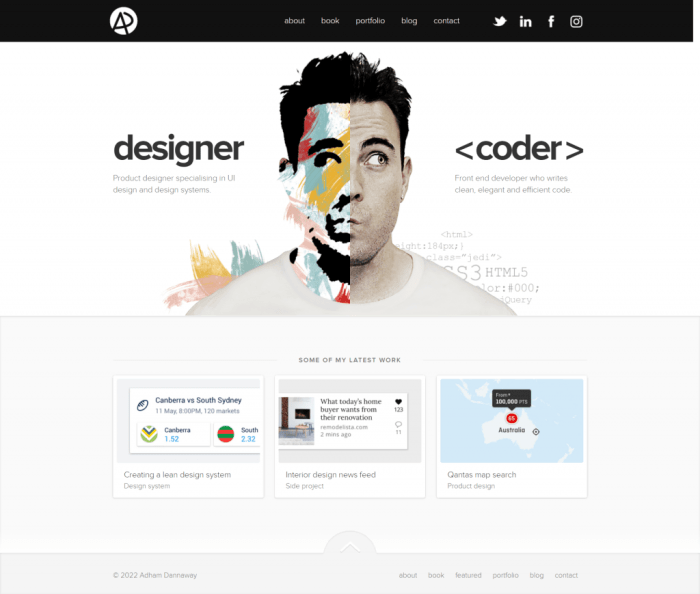
  • Portfolio Website: Design a visually appealing portfolio site to showcase your work, incorporating animations and transitions for an enhanced user experience.
  • Social Media Dashboard: Build a dashboard that aggregates feeds from various social platforms, allowing users to manage their accounts in one place.
  • Recipe Finder App: Develop an interactive web app that fetches recipes based on user-input ingredients, using APIs for real-time data.
  • Weather Application: Create a weather forecast app that uses geolocation to provide users with real-time updates and forecasts for their area.
  • Event Booking System: Design a platform for event bookings, featuring calendar integration and email notifications for users.
  • Online Learning Portal: Build a platform for online courses that includes user registration, video hosting, and quizzes for assessment.
  • Charity Fundraising Website: Create a site for a non-profit organization focused on fundraising, incorporating donation forms and impact tracking.
  • Fitness Tracker: Develop a web application that allows users to log workouts, track progress, and set fitness goals.

Portfolio Layout Design

A modern web development portfolio should prioritize user experience and aesthetics. The layout must be clean, responsive, and easy to navigate, highlighting key projects prominently. Considerations for an effective layout include:

  • Intuitive Navigation: Ensure that the menu is straightforward, allowing users to access information quickly.
  • Visual Hierarchy: Use size, color, and spacing to guide users’ attention to important elements.
  • Consistent Branding: Maintain a cohesive theme throughout the portfolio that reflects personal branding.
  • Project Highlights: Feature selected projects with engaging descriptions and visuals to draw attention.
  • Responsive Design: Implement a fluid grid layout that adjusts seamlessly across devices, enhancing user accessibility.

Importance of Responsive Design

Responsive design is essential in modern web development, ensuring that websites function well on a variety of devices and screen sizes. This approach enhances user experience, reduces bounce rates, and improves search engine rankings.Examples of responsive design principles include:

  • Flexible Grids: Utilize CSS grid or flexbox to create layouts that adapt dynamically to different screen dimensions.
  • Media Queries: Implement CSS media queries to apply styles based on the viewport size, ensuring optimal display on all devices.
  • Fluid Images: Use scalable images that adjust to fit their containers, preventing distortion and ensuring clarity.

“Responsive design is not just about making things smaller; it’s about adapting to the user’s needs.”

Incorporating these elements into your projects will not only enhance the user experience but also demonstrate your adaptability as a developer in today’s diverse digital landscape.

Integrating Marketing Elements in Web Development

The integration of marketing elements in web development is crucial for creating a successful online presence. A well-designed website not only serves as a digital storefront but also acts as a powerful marketing tool. By incorporating effective marketing strategies into web projects, developers can enhance visibility, improve user experience, and ultimately drive conversions. This section will delve into essential strategies that include search engine marketing, website security, and social media integration to optimize web projects for better performance and marketing effectiveness.

Search Engine Marketing Techniques

Incorporating search engine marketing (SEM) techniques into web development enhances a website’s visibility in search engine results, driving traffic and increasing potential customer engagement. The strategies include the following:

  • Optimization: Researching and integrating relevant s within the site’s content, meta tags, and descriptions ensures that the website is indexed correctly by search engines.
  • Landing Page Design: Creating dedicated landing pages for specific campaigns or products improves user experience, focusing on conversion rates through effective calls to action.
  • Quality Content Creation: Regularly updating the website with valuable, informative content not only attracts search engine algorithms but also builds authority and trust among visitors.
  • Responsive Design: Developing a mobile-friendly website is essential, as search engines prioritize responsive sites for their accessibility and user experience.

Website Security and User Trust

Enhancing website security is paramount, as it directly impacts user trust and project success. A secure site reassures visitors about their data protection, fostering trust and encouraging engagement. Key security measures include:

  • SSL Certificates: Implementing Secure Socket Layer (SSL) certificates encrypts data exchanged between users and the site, safeguarding sensitive information.
  • Regular Software Updates: Keeping all software, plugins, and frameworks up to date prevents vulnerabilities that could be exploited by cybercriminals.
  • Strong Password Policies: Encouraging the use of strong passwords and implementing two-factor authentication enhances user accounts’ security.
  • Regular Backups: Regularly backing up website data ensures that information can be restored in case of a security breach or data loss.

Social Media Integration Benefits

Integrating social media into web development can significantly enhance promotional efforts and user engagement. A well-executed social media strategy amplifies reach, strengthens branding, and fosters community interaction. Important aspects of social media integration include:

  • Social Sharing Buttons: Adding buttons for users to easily share content on their social platforms increases visibility and potential traffic.
  • Embedded Feeds: Integrating live social media feeds can provide fresh content, keeping the website dynamic and engaging for visitors.
  • Social Login Options: Allowing users to log in using their social media accounts simplifies the registration process, improving user experience and retention.
  • Analytics Tracking: Utilizing tools to track social media engagement helps in analyzing user behavior and tailoring content to better meet their preferences.

Enhancing Visibility and Engagement

Web development portfolio projects ideas

In the digital landscape, enhancing visibility and engagement is critical for the success of any web project. This involves leveraging various strategies to not only attract visitors but also keep them engaged with the content. The combination of video marketing, social bookmarking, and video streaming optimization plays a pivotal role in achieving these goals.

Implementing Video Marketing Strategies

Incorporating video marketing within web projects can significantly boost engagement levels. Videos are effective because they capture attention quickly and convey information in a digestible format. Here are several strategies to implement video marketing:

  • Embed Videos: Including videos directly on your website creates a more interactive experience. Aim for short, high-quality videos that provide value to the viewer.
  • Utilize Video : Optimize video titles, descriptions, and tags with relevant s to improve search engine visibility. This helps in attracting organic traffic.
  • Create Shareable Content: Produce videos that encourage sharing across social media platforms. Engaging content, like tutorials or entertaining clips, can increase reach and visibility.
  • Leverage Live Streaming: Engage your audience in real-time through live Q&A sessions, product launches, or behind-the-scenes content. This fosters a sense of community and immediacy.

Promoting Websites through Social Bookmarking and Networking

Social bookmarking and networking are vital for increasing website visibility and encouraging user interaction. By sharing links to your web pages on social bookmarking sites, you can drive targeted traffic. Below are effective methods for promoting websites:

  • Choose the Right Platforms: Focus on popular social bookmarking sites like Reddit, Digg, or StumbleUpon. Each platform has a unique audience, so tailor your content accordingly.
  • Create Compelling Titles and Descriptions: When bookmarking content, ensure that the titles and descriptions are engaging and accurately describe the content. This increases the chances of clicks.
  • Engage with the Community: Actively participate in discussions related to your niche. Providing value through comments or responses can foster trust and encourage users to visit your website.
  • Utilize Visuals: Incorporate eye-catching images or infographics when sharing bookmarks. Visuals can enhance engagement and entice users to explore your content further.

Optimizing Websites for Video Streaming

Improving user experience and retention in video streaming requires optimizing your website’s functionalities. Key methods for achieving this include:

  • Ensure Fast Load Times: Optimize your video files for quicker loading. Use formats that balance quality and file size to enhance speed.
  • Responsive Design: Implement a responsive design that adapts to various devices and screen sizes. This ensures users have a seamless experience regardless of how they access your content.
  • Use Adaptive Bitrate Streaming: This technology adjusts the video quality based on the user’s internet speed, providing a smoother viewing experience without interruptions.
  • Integrate Clear Navigation: Make it easy for users to find and access video content on your site. Utilize clear menus, search functions, and filters for better user experience.

Final Review

Web development portfolio projects ideas

In conclusion, the right web development portfolio projects can significantly boost your professional presence, showcasing both your creativity and technical prowess. As you embark on these project ideas, remember that each creation is an opportunity to tell your unique story and connect with potential clients or employers. Stay inspired and keep building!

Popular Questions

What should I include in my web development portfolio?

Include diverse projects that showcase your skills, a brief description of each project, the technologies used, and the challenges faced.

How do I choose the right projects for my portfolio?

Select projects that highlight your strengths and interests, and ensure they demonstrate a range of skills.

Is it important to have a personal website for my portfolio?

Yes, a personal website acts as an online resume, allowing potential employers to easily view your work and contact you.

How can I make my portfolio stand out?

Focus on user experience, include interactive elements, and showcase unique projects that reflect your personal style.

Should I update my portfolio regularly?

Yes, regularly updating your portfolio with new projects and skills keeps it relevant and showcases your growth as a developer.
Responsive web design best practices for modern sites

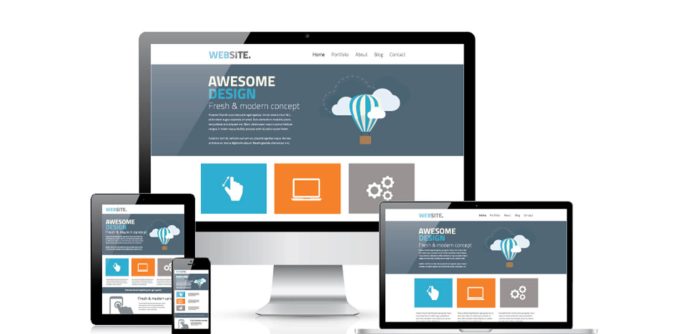
Responsive design mobile web wired tablet examples laptop

Responsive web design best practices are essential in today’s digital landscape where users access websites from a myriad of devices. The ability to deliver an exceptional user experience, regardless of screen size, is what sets successful websites apart from the rest.

By implementing fluid grids, effective media queries, and flexible images, web designers can ensure that their layouts adapt seamlessly to any device. This not only enhances user satisfaction but also positively influences search engine rankings, making responsive design a crucial element for any online presence.

Best Practices for Responsive Web Design

Responsive practices

Responsive web design is essential in today’s digital landscape where users access websites from various devices, including smartphones, tablets, and desktops. Implementing best practices ensures a seamless experience regardless of screen size, fostering user engagement and satisfaction. By focusing on fluid grids, effective media queries, and flexible images, designers can create adaptable layouts that enhance usability and accessibility.

Fluid Grids

Fluid grids are a core principle of responsive web design, emphasizing the relative sizing of elements instead of fixed dimensions. This approach allows a layout to adapt smoothly to different screen sizes. Unlike traditional pixel-based layouts, fluid grids use percentages for width, enabling containers and their contents to scale proportionally as the viewport changes. This ensures that the design remains consistent and visually appealing across devices.

For example, a fluid grid layout can define a three-column design that adjusts to a single-column view on smaller screens. Here’s a simple CSS example:

.container 
    display: flex;
    flex-wrap: wrap;

.column 
    flex: 1 1 30%; /* Adjusts to 30% width on larger screens
-/
    box-sizing: border-box;

This structure allows columns to shrink or stack based on available space, providing users with an optimal viewing experience.

Media Queries

Media queries play a crucial role in responsive design by enabling different styles based on device characteristics like width, height, and orientation. They allow developers to apply specific CSS rules depending on the screen size, ensuring that the layout adapts effectively.

Effective media queries can target various breakpoints, allowing for tailored adjustments. Here are examples of commonly used media queries:

@media (max-width: 768px) 
    .column 
        flex: 1 1 100%; /* Stacks columns on smaller screens
-/
    

@media (min-width: 769px) and (max-width: 1024px) 
    .column 
        flex: 1 1 45%; /* Adjusts to two columns on tablets
-/
    

These media queries ensure that the design is responsive and user-friendly across a range of devices, from mobile phones to tablets and desktops.

Flexible Images

Flexible images are vital for maintaining a responsive layout, allowing images to scale properly within their containing elements. Ensuring that images are adaptable helps avoid issues like distortion or overflow, which can disrupt the user experience.

To achieve flexible images, use relative units or set max-width properties. This approach enables images to resize according to the viewport while preserving their aspect ratio. Here’s a CSS example:

img 
    max-width: 100%; /* Ensures images do not exceed their container's width
-/
    height: auto;    /* Maintains aspect ratio
-/

By implementing these techniques, designers can create visually appealing and responsive designs that effectively convey content, regardless of the device being used. This leads to a better overall experience for users and enhances the effectiveness of the website.

Impact of Responsive Design on Search Engine Marketing

Responsive web design significantly enhances user experience, which in turn can influence search engine rankings. When users encounter a website that adapts seamlessly to their device—be it a smartphone, tablet, or desktop—they are more likely to engage with the content, leading to longer session durations and reduced bounce rates. These factors are crucial for search engine algorithms, which prioritize user engagement metrics when determining site rankings.

In the realm of Search Engine Marketing (SEM), the shift towards mobile-first indexing by search engines like Google illustrates the critical need for responsive design. Google now predominantly uses the mobile version of a site for indexing and ranking, underscoring the importance of creating an optimized mobile experience. If a website does not perform well on mobile devices, it risks dropping in search rankings, which can directly affect visibility and traffic.

Mobile-First Indexing Implications for Web Design

Mobile-first indexing necessitates that web designers prioritize the mobile user experience in their design choices. This means ensuring that the mobile site contains the same content as the desktop version, as well as optimizing loading speeds and accessibility. The implications extend to the following key areas:

  • Content Consistency: Both mobile and desktop versions must provide the same valuable information, ensuring users find what they need regardless of their device.
  • Page Speed Optimization: Faster load times on mobile devices enhance user experience and are critical for improved rankings; Google’s Core Web Vitals update emphasizes this aspect.
  • Structured Data Use: Implementing structured data can optimize how search engines interpret content, aiding visibility across devices.
  • User Interface Design: A clean, intuitive design tailored for touch interactions can greatly improve user satisfaction and engagement rates.

Considering these aspects is crucial for effective search engine marketing strategies.

“Responsive design not only boosts user experience but also acts as a powerful tool for improving search engine visibility.”

Best Practices for Integrating Responsive Design with Paid Search Strategies

Integrating responsive design into paid search strategies is essential for maximizing ad performance and user engagement. Here are some best practices to consider:

  • Ad Customization: Create responsive ads that automatically adjust to fit various device sizes, ensuring a cohesive experience from ad click to landing page.
  • Device-Specific Targeting: Tailor ad content based on the device used, focusing on mobile-friendly offers or calls-to-action.
  • Landing Page Optimization: Ensure landing pages maintain a consistent branding and design across devices, enhancing user trust and conversion rates.
  • Monitor Performance Metrics: Regularly analyze ad performance on different devices and optimize campaigns based on user behavior and conversion path effectiveness.

By applying these practices, marketers can harness the full potential of responsive web design, ensuring their paid search strategies achieve maximum efficiency and effectiveness.

Role of Responsive Web Design in Social Media and Promotion

In today’s digital landscape, the intersection of responsive web design and social media has become increasingly vital for effective online promotion. As social media platforms continue to evolve, optimizing landing pages for social media sharing is essential. A well-optimized landing page not only enhances user experience but also boosts engagement and conversions when shared across various platforms.

Responsive design facilitates seamless access to content, ensuring that users have a consistent experience regardless of the device they use. This adaptability is particularly important in the realm of video marketing, which has become a dominant form of content across social media platforms.

Importance of Optimizing Landing Pages for Social Media Sharing

Crafting landing pages that are tailored for social media sharing can significantly impact campaign performance. A landing page that is visually appealing, easy to navigate, and mobile-friendly can lead to higher click-through rates and better user engagement. Here are key factors to consider for optimizing landing pages:

  • Clear Call-to-Action: Ensure that your landing page has a prominently displayed call-to-action (CTA) that motivates users to engage further, whether that means signing up for a newsletter, downloading a resource, or making a purchase.
  • Social Sharing Buttons: Include easily accessible social sharing buttons that allow users to share your content with their networks, enhancing reach and visibility.
  • Compelling Visuals: Use high-quality images and videos that resonate with your target audience and encourage sharing on visually-focused platforms like Instagram and Pinterest.
  • Mobile Optimization: Since many users access social media through mobile devices, ensure that your landing pages load quickly and look great on smaller screens.

Responsive Design Enhances Video Marketing Effectiveness

The integration of responsive web design significantly enhances the effectiveness of video marketing across devices. Videos are a powerful tool for storytelling and engagement, and their impact is amplified when they are accessible on any device. Key points include:

  • Adaptive Playback: Responsive design allows videos to adjust in size and quality based on the user’s device, ensuring a smooth viewing experience with minimal buffering.
  • Increased Engagement: Videos embedded within responsive designs tend to generate more shares and interactions, as they are easily viewable on smartphones and tablets, which are widely used for social media browsing.
  • Benefits: Video content can improve search engine rankings, and when paired with responsive design, it can attract a broader audience from social platforms, leading to increased organic traffic.

Strategies for Promoting a Responsive Site on Social Networking Platforms

Promoting a responsive website effectively requires strategic thinking tailored to the unique characteristics of each social media platform. Here are some strategies to consider:

  • Platform-Specific Content: Tailor your content to fit the tone and style of each social media platform. For example, use professional visuals on LinkedIn while keeping it casual on Twitter.
  • Engagement-Driven Posts: Create posts that encourage interaction, such as polls, questions, or user-generated content that can lead to organic sharing and increased visibility.
  • Leverage Influencers: Collaborate with influencers who align with your brand to tap into their audience and promote your responsive site through authentic recommendations.
  • Consistent Branding: Maintain consistent branding across all platforms, including colors, logos, and messaging, to enhance recognition and trust when users encounter your links.

Last Word

Responsive design mobile web wired tablet examples laptop

In summary, mastering responsive web design best practices is integral to staying competitive in a rapidly evolving digital world. By focusing on user experience and embracing the principles discussed, you can create websites that are not just visually appealing but also optimized for performance across all devices.

Popular Questions

What is responsive web design?

Responsive web design is an approach that ensures websites provide an optimal viewing experience across a wide range of devices, from desktops to mobile phones.

Why is mobile-first indexing important?

Mobile-first indexing prioritizes the mobile version of a website for indexing and ranking, making responsive design crucial for .

How do media queries work?

Media queries enable the application of different styles based on device characteristics like screen width, height, and resolution, allowing for tailored layouts.

What role do images play in responsive design?

Images must be flexible and able to scale properly to maintain quality and performance on different devices, enhancing the overall user experience.

How can social media impact responsive design?

Responsive designs improve the effectiveness of social media promotions by ensuring that shared content displays well on various devices, increasing engagement.

AI in video streaming personalization enhancing experiences

AI in video streaming personalization

AI in video streaming personalization is revolutionizing how viewers engage with content, bringing a tailored experience that caters to individual preferences. With advanced algorithms analyzing user behavior, streaming platforms can now offer recommendations that feel personal and relevant, enhancing overall satisfaction and retention.

As audiences seek more meaningful connections with their favorite shows and movies, AI steps in to create a seamless viewing journey. Major streaming services are leveraging these technological advancements to analyze patterns, predict interests, and curate content that resonates, ultimately shaping the future of entertainment.

AI in Video Streaming Personalization

AI in video streaming personalization

The integration of artificial intelligence in video streaming platforms has revolutionized how content is delivered and consumed. AI algorithms play a pivotal role in enhancing user experiences by personalizing content based on individual viewing habits, preferences, and behaviors. This tailored approach not only increases user satisfaction but also boosts engagement and retention for streaming services.AI algorithms leverage vast amounts of user data to create personalized experiences that cater to individual tastes.

These algorithms analyze viewing history, search behavior, and even the time spent on different genres to curate content suggestions that resonate with users. The goal is to eliminate the overwhelming choice and provide a seamless viewing experience, making it easier for users to discover new content they are likely to enjoy.

Personalized Content Recommendations

Major streaming services utilize AI-driven personalization to enhance user engagement and satisfaction. The following are examples of how leading platforms implement personalized content recommendations:

  • Netflix: Netflix employs sophisticated algorithms that analyze user behavior, including previously watched shows and user ratings, to recommend titles. The platform’s “Top 10” feature showcases popular content tailored to each user’s viewing preferences.
  • Amazon Prime Video: Amazon uses collaborative filtering and machine learning techniques to suggest movies and shows based on past purchases and views. This allows users to discover content that aligns with their interests.
  • Disney+: Disney+ personalizes recommendations by considering users’ viewing history as well as the time of year, highlighting seasonal content like holiday specials based on user preferences.

Implementing AI-Driven Personalization Features

To successfully integrate AI-driven personalization features into a video streaming service, several key methods can be adopted. Each method contributes to a more engaging user experience by leveraging data effectively.

  • Data Collection: Gathering extensive data on user interactions is crucial. This includes tracking viewing history, user ratings, and search queries to understand preferences.
  • Machine Learning Models: Employing machine learning models that can identify patterns in user behavior helps in predicting future viewing habits, enabling more accurate recommendations.
  • A/B Testing: Implementing A/B testing allows streaming platforms to evaluate different recommendation engines and user interfaces to determine which ones yield better engagement and satisfaction rates.
  • User Feedback Loop: Incorporating user feedback directly into the recommendation system fine-tunes the algorithms, ensuring they are responsive to changing preferences over time.

The potential of AI in video streaming personalization not only enhances user experience but also drives the success of streaming platforms by creating a more engaging and tailored viewing environment.

Impact of AI on Video Marketing

AI in video streaming personalization

The landscape of video marketing has been dramatically reshaped by the advent of artificial intelligence technologies. Businesses are increasingly leveraging AI to enhance their marketing strategies, enabling them to reach more targeted audiences and improve viewer engagement. This transformation is not just about creating content; it’s about making informed decisions that resonate with viewers and drive results.AI plays a crucial role in optimizing video content by analyzing data to tailor marketing efforts to specific audience segments.

By understanding viewer preferences and behaviors, brands can create personalized experiences that are more likely to convert viewers into customers. This level of customization was previously unattainable, but AI technologies allow marketers to craft messages that speak directly to individual interests and needs.

Utilization of AI in Content Optimization

AI assists marketers in refining their video content strategies by leveraging vast amounts of data to identify trends and audience preferences. The ability of AI to process and analyze viewer data ensures that the right content is shared with the right audience at the right time. Here are key areas where AI optimizes video marketing:

  • Content Personalization: AI algorithms analyze users’ past behavior, such as videos watched and engagement levels, to recommend personalized content that aligns with individual interests.
  • A/B Testing Automation: AI can automate the A/B testing process for video formats, lengths, and titles, identifying which variations perform best without extensive manual effort.
  • Optimization: AI tools optimize video metadata, such as titles, descriptions, and tags, improving visibility in search engines and increasing organic viewership.

Analysis of Viewer Engagement

Understanding viewer engagement is vital for continuous improvement in video marketing strategies. AI technologies provide robust analytics to monitor and assess how audiences interact with video content. This analysis helps marketers adapt their strategies based on real-time feedback and engagement metrics.AI utilizes machine learning to track various engagement metrics such as view duration, click-through rates, and social shares. Through these insights, marketers can make the following adjustments:

  • Content Refinement: By analyzing which segments of a video retain viewer attention, brands can refine future content to focus on more engaging topics or formats.
  • Feedback Loop Creation: AI can automatically collect and analyze viewer feedback, allowing marketers to adjust campaigns on-the-fly based on audience reactions.
  • Predictive Analytics: AI’s predictive capabilities enable marketers to forecast trends and viewer behaviors, guiding content creation and strategic planning.

“The integration of AI in video marketing not only enhances personalization but also significantly improves engagement by providing actionable insights into viewer behavior.”

The Role of Social Media in Video Streaming

The intersection of social media and video streaming has transformed how audiences engage with content. As platforms evolve, they offer various features that enhance user interaction, leading to a more dynamic viewing experience. By integrating social media aspects into video streaming services, companies not only boost user engagement but also create communities around shared interests and content.The integration of social media with video streaming services allows users to share content instantly, comment in real time, and participate in discussions.

For instance, platforms like Twitch and YouTube incorporate live chat features, enabling viewers to communicate during streams. This interaction fosters a sense of community, making viewers feel connected to both the content and other users. Additionally, social media platforms allow for seamless sharing of video content across different networks, amplifying reach and visibility.

Effectiveness of Different Social Media Platforms in Promoting Video Content

Each social media platform has unique strengths, making them more or less effective for promoting video content. Understanding these differences can significantly enhance marketing strategies.

Facebook

With its massive user base, Facebook excels in targeting specific demographics through ads. Video content can go viral through shares and likes, making it a powerful tool for initial reach.

Instagram

The visual nature of Instagram supports short, engaging videos. Reels and Stories are particularly effective for capturing attention quickly and driving traffic to streaming platforms.

Twitter

This platform is valuable for real-time engagement. Short video clips can be quickly shared and discussed, making it ideal for live events or breaking news content.

TikTok

Known for its short-form video, TikTok has revolutionized video marketing by encouraging user-generated content. Its algorithm promotes discovery, allowing potentially viral content to reach vast audiences rapidly.To maximize the visibility of video streaming content through social networking, employing strategic methods is essential. For instance, leveraging user-generated content can create a buzz around video releases. Encouraging fans to share their experiences or reactions can expand reach organically.

Additionally, collaborating with influencers who resonate with target audiences can enhance credibility and attract new viewers. An effective promotional strategy could include:

Regular updates

Posting behind-the-scenes content or sneak peeks of upcoming videos creates anticipation.

Engagement campaigns

Encouraging viewers to participate in polls or challenges related to the video content can foster deeper interaction.

Cross-promotion

Sharing video content across multiple platforms ensures that audiences on different networks have access to the same material, increasing overall visibility.

“Social media is the ultimate equalizer. It gives a voice and platform to anyone willing to engage.”

By understanding and utilizing the strengths of various social media platforms, video streaming services can significantly enhance their visibility and audience engagement.

Last Word

In conclusion, the integration of AI in video streaming personalization is not just about enhancing user experience; it’s about crafting a unique journey that keeps viewers coming back for more. As these technologies continue to evolve, they promise to further bridge the gap between user expectations and the content delivered, making every viewing experience feel special and engaging.

Essential FAQs

How does AI enhance content recommendations?

AI analyzes user behavior and preferences to suggest tailored content, improving engagement.

What are some examples of AI-driven personalization?

Platforms like Netflix and Hulu use AI to recommend shows based on viewing history and ratings.

Can AI adapt in real-time to user preferences?

Yes, AI can continuously learn from user interactions and adjust recommendations accordingly.

What data does AI use for personalization?

AI utilizes viewing history, search behavior, and user ratings to curate personalized content.

Is AI personalization beneficial for content creators?

Absolutely, as it helps creators understand audience preferences and tailor content to meet their needs.

Mobile-first indexing and SEO Strategies for Success

Indexing seo cloud

Mobile-first indexing and are reshaping how businesses approach their online presence, reflecting the growing importance of mobile usability in today’s digital landscape. As more users access websites via mobile devices, search engines have shifted their focus to prioritize mobile-friendly sites in their rankings, making it crucial for webmasters to adapt.

This shift means that understanding mobile-first indexing isn’t just a technical necessity; it’s a strategic imperative. By implementing best practices tailored for mobile optimization, businesses can enhance their visibility and ensure an optimal user experience, ultimately leading to better engagement and conversions.

Mobile-First Indexing and Its Importance

Mobile-first indexing is a crucial development in the way search engines evaluate and rank websites. As more users access the internet via mobile devices, search engines like Google have adapted their indexing methods to prioritize mobile versions of web content. This shift signifies a transition where the mobile version of a site is considered the “primary” version, impacting its visibility and ranking in search results.The significance of mobile-first indexing lies in its reflection of user behavior and technological trends.

With mobile traffic surpassing desktop in many regions, search engines aim to deliver the most relevant content to users based on their browsing preferences. Consequently, websites that are not optimized for mobile may find themselves at a disadvantage in search rankings. This transformation urges webmasters to prioritize mobile design, ensuring seamless user experiences that can significantly influence engagement and conversion rates.

Impact on Website Rankings

The adoption of mobile-first indexing directly affects how websites are ranked on search engines. When a search engine crawls websites, it now prioritizes the mobile version for indexing and ranking. This change introduces a new set of criteria for evaluating a site’s relevance and quality. Websites that provide an optimal mobile experience often enjoy higher search rankings, while those lagging behind in mobile optimization risk lower visibility.

Factors influencing rankings include:

  • Page load speed, where faster-loading pages retain users better and improve rankings.
  • Mobile usability, which encompasses ease of navigation and overall user experience on mobile devices.
  • Content accessibility, ensuring that important information is readily available and not hidden behind expandable menus or features that may not function well on mobile.
  • Responsive design, which allows a website to adapt to any screen size, maintaining functionality and aesthetic appeal.

The importance of these factors cannot be overstated, as a mobile-friendly site not only meets user expectations but also aligns with search engine algorithms designed to deliver the best search results.

Best Practices for Optimizing for Mobile-First Indexing

To effectively optimize a website for mobile-first indexing, several best practices should be implemented. These practices enhance the site’s performance on mobile devices while meeting search engine criteria:

  • Use responsive web design: This ensures that your website’s layout adjusts seamlessly to different screen sizes without compromising content quality.
  • Optimize images: Utilize appropriately sized images and modern formats like WebP to enhance load times and performance.
  • Improve page speed: Minimize HTTP requests, leverage browser caching, and utilize Content Delivery Networks (CDNs) to ensure quick loading times, which is crucial for mobile users.
  • Prioritize above-the-fold content: Ensure that critical content is immediately visible without excessive scrolling, improving user engagement.
  • Implement structured data: Using schema markup helps search engines understand the context of your content, enhancing rich snippets in search results.
  • Test mobile usability: Regularly use tools like Google’s Mobile-Friendly Test to check how well your site performs on mobile devices and make necessary adjustments.

Implementing these best practices not only positions a website favorably for search engine rankings but also improves overall user satisfaction, which is a vital component in today’s digital landscape.

Strategies for Enhancing with Mobile-First Indexing

Mobile-first indexing and SEO

In an era where mobile devices dominate internet usage, optimizing your website for mobile-first indexing is crucial for improving your . Strategies to enhance in this context not only boost your site’s visibility but also enhance user experience across various devices. Below are effective methods to ensure your website performs well on mobile platforms.

Improving Website Performance on Mobile Devices

The performance of a website on mobile devices can significantly impact its search engine ranking. A fast-loading website is essential because users tend to abandon sites that take too long to load. Here are some strategies to enhance mobile performance:

  • Optimize Images: Use compressed and appropriately sized images to reduce loading times without sacrificing quality. Tools like TinyPNG can help achieve this effectively.
  • Minimize HTTP Requests: Reduce the number of elements on your page to lower the number of HTTP requests during loading. Consolidating CSS and JavaScript files can be beneficial.
  • Leverage Browser Caching: Enable caching to allow returning visitors to load your site faster. This can be achieved through setting appropriate cache control headers.
  • Implement Lazy Loading: Load images and videos only when they enter the viewport, which reduces initial load times and improves overall user experience.
  • Utilize Content Delivery Networks (CDNs): CDNs can distribute your content across multiple locations, ensuring faster delivery based on the user’s geographical location.

Ensuring Content Accessibility and User Experience on Mobile

Content accessibility and user experience are paramount when it comes to mobile-first indexing. The goal is to create an engaging and intuitive experience for users on smaller screens. Consider the following practices:

  • Use Legible Font Sizes: Ensure text is easily readable without users having to zoom in. A minimum font size of 14px is recommended.
  • Design for Touch: Make buttons and clickable elements large enough to be tapped easily without worrying about precision. A minimum target size of 44×44 pixels is suggested.
  • Prioritize Content: Place the most important information at the top of the page to capture user attention immediately.
  • Eliminate Pop-ups: Avoid intrusive pop-up ads that can hinder the user experience. Use banners that take up less space and are easy to dismiss.
  • Test Across Devices: Regularly test your site on various mobile devices and browsers to identify usability issues and make necessary adjustments.

Role of Responsive Design in Mobile-First Indexing and

Responsive design plays a critical role in mobile-first indexing and search engine optimization. It ensures that your website automatically adjusts to different screen sizes and orientations, providing a seamless experience regardless of the device used. Here are some key points about responsive design:

  • Unified URL Structure: A responsive website uses the same URL for both desktop and mobile versions, simplifying the indexing process for search engines.
  • Enhanced User Experience: Responsive design enables a consistent and user-friendly experience across all devices, which reduces bounce rates and improves engagement.
  • Improved Performance: Responsive sites are often faster because they serve the same HTML to all devices, adapting content layout via CSS.
  • Better Signals: Search engines, like Google, favor responsive design, which means responsive sites are more likely to rank higher in search results.
  • Future-Proofing: With the rapid evolution of devices, responsive design ensures your website remains accessible and visually appealing, regardless of new screen sizes or resolutions.

Responsive design is not just a trend, but a fundamental approach to web design that enhances both user experience and performance.

Integrating Mobile-First Indexing with Digital Marketing

The integration of mobile-first indexing into digital marketing strategies is essential for businesses looking to thrive in today’s digital landscape. As mobile usage continues to surge, understanding the implications of this shift on marketing efforts can help ensure that brands remain competitive and visible. Mobile-first indexing means that Google primarily uses the mobile version of a website’s content for indexing and ranking.

Thus, aligning digital marketing strategies with mobile-first principles is crucial for optimizing visibility and engagement.The relationship between mobile-first indexing and search engine marketing (SEM) is significant. Since mobile devices are now the primary means through which users access the internet, ensuring that SEM campaigns are mobile-optimized can enhance their effectiveness. A well-structured, mobile-friendly website not only improves user experience but also positively impacts Quality Scores in paid search campaigns.

This creates a cycle where mobile optimization leads to better ad placements and, consequently, increased traffic and conversions.

Strategies for Promoting Websites on Social Media with Mobile Usability Considerations

Social media platforms are predominantly accessed via mobile devices, making it essential to implement strategies that enhance mobile usability. Here are key strategies to consider:

  • Visual Content Optimization: Since social media is heavily reliant on visuals, ensure that images and videos are optimized for mobile viewing. Content should load quickly and be formatted for mobile screens.
  • Short-Form Content: Create concise and engaging posts that capture attention quickly. Mobile users tend to skim content, so direct messaging is vital.
  • Mobile-Friendly Landing Pages: Always link social media posts to landing pages that are mobile-optimized. This ensures seamless navigation and reduces bounce rates.
  • Utilize Stories and Reels: Platforms like Instagram and Facebook offer story features that are designed for mobile use. These formats can increase engagement and provide quick, digestible information.
  • Call-to-Action Buttons: Incorporate clear and easy-to-click call-to-action buttons in your posts, ensuring they are optimized for mobile devices to encourage user interaction.

Comparing Web Hosting Solutions for Mobile-First Indexing Support

Selecting the right web hosting solution is crucial for effective mobile-first indexing. The hosting environment directly affects page load times and overall mobile performance. Here’s a comparison of different hosting types that support mobile-first indexing:

  • Shared Hosting: Economical but often slower due to resource limitations. While suitable for small websites, it may not support mobile-first indexing well during peak traffic.
  • VPS Hosting: Offers a balance between performance and cost. Provides dedicated resources which can enhance loading speeds, positively impacting mobile user experience.
  • Cloud Hosting: Highly scalable and reliable, cloud hosting distributes resources across multiple servers, ensuring fast load times even under heavy traffic, which is ideal for mobile usage.
  • Managed WordPress Hosting: Optimized specifically for WordPress sites, this hosting type ensures fast performance and security, crucial for mobile-first indexing.
  • Dedicated Hosting: Offers complete control and maximum performance, making it the best option for large websites with high traffic volumes but comes at a higher cost.

“Choosing the right hosting solution is fundamental to ensuring that mobile-first indexing efforts yield positive results, ultimately driving user engagement and satisfaction.”

Ending Remarks

Indexing seo cloud

In conclusion, embracing mobile-first indexing and integrating effective strategies is vital for businesses hoping to thrive in a competitive digital environment. By focusing on mobile optimization, site performance, and user experience, companies can not only improve their search rankings but also foster deeper connections with their audience. Adapting to this mobile-centric approach can open doors to new opportunities and ensure long-term success.

Questions and Answers

What is mobile-first indexing?

Mobile-first indexing means that Google primarily uses the mobile version of a website for ranking and indexing, reflecting the habits of users who predominantly browse on mobile devices.

How can I check if my site is mobile-friendly?

You can use Google’s Mobile-Friendly Test tool to see if your site passes mobile compatibility checks and receive suggestions for improvement.

What are the best practices for mobile optimization?

Best practices include using responsive design, optimizing images, improving loading speed, and ensuring easy navigation for mobile users.

Does mobile-first indexing affect desktop versions?

While mobile-first indexing emphasizes mobile versions for ranking, it does not directly harm desktop rankings as long as the desktop version is also optimized.

How does page speed impact mobile-first indexing?

Page speed significantly affects mobile-first indexing since faster-loading pages provide a better user experience, which can lead to improved rankings.