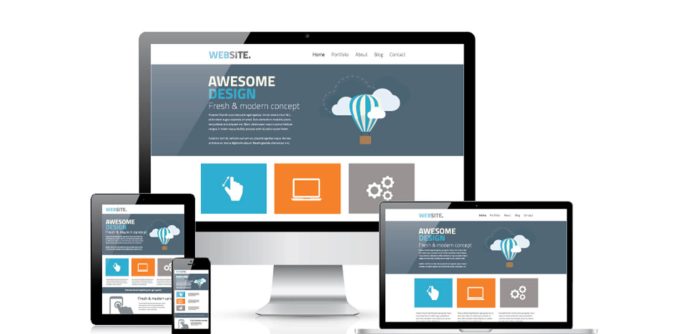
Responsive web design best practices for modern sites

Responsive design mobile web wired tablet examples laptop

Responsive web design best practices are essential in today’s digital landscape where users access websites from a myriad of devices. The ability to deliver an exceptional user experience, regardless of screen size, is what sets successful websites apart from the rest.

By implementing fluid grids, effective media queries, and flexible images, web designers can ensure that their layouts adapt seamlessly to any device. This not only enhances user satisfaction but also positively influences search engine rankings, making responsive design a crucial element for any online presence.

Best Practices for Responsive Web Design

Responsive practices

Responsive web design is essential in today’s digital landscape where users access websites from various devices, including smartphones, tablets, and desktops. Implementing best practices ensures a seamless experience regardless of screen size, fostering user engagement and satisfaction. By focusing on fluid grids, effective media queries, and flexible images, designers can create adaptable layouts that enhance usability and accessibility.

Fluid Grids

Fluid grids are a core principle of responsive web design, emphasizing the relative sizing of elements instead of fixed dimensions. This approach allows a layout to adapt smoothly to different screen sizes. Unlike traditional pixel-based layouts, fluid grids use percentages for width, enabling containers and their contents to scale proportionally as the viewport changes. This ensures that the design remains consistent and visually appealing across devices.

For example, a fluid grid layout can define a three-column design that adjusts to a single-column view on smaller screens. Here’s a simple CSS example:

.container 
    display: flex;
    flex-wrap: wrap;

.column 
    flex: 1 1 30%; /* Adjusts to 30% width on larger screens
-/
    box-sizing: border-box;

This structure allows columns to shrink or stack based on available space, providing users with an optimal viewing experience.

Media Queries

Media queries play a crucial role in responsive design by enabling different styles based on device characteristics like width, height, and orientation. They allow developers to apply specific CSS rules depending on the screen size, ensuring that the layout adapts effectively.

Effective media queries can target various breakpoints, allowing for tailored adjustments. Here are examples of commonly used media queries:

@media (max-width: 768px) 
    .column 
        flex: 1 1 100%; /* Stacks columns on smaller screens
-/
    

@media (min-width: 769px) and (max-width: 1024px) 
    .column 
        flex: 1 1 45%; /* Adjusts to two columns on tablets
-/
    

These media queries ensure that the design is responsive and user-friendly across a range of devices, from mobile phones to tablets and desktops.

Flexible Images

Flexible images are vital for maintaining a responsive layout, allowing images to scale properly within their containing elements. Ensuring that images are adaptable helps avoid issues like distortion or overflow, which can disrupt the user experience.

To achieve flexible images, use relative units or set max-width properties. This approach enables images to resize according to the viewport while preserving their aspect ratio. Here’s a CSS example:

img 
    max-width: 100%; /* Ensures images do not exceed their container's width
-/
    height: auto;    /* Maintains aspect ratio
-/

By implementing these techniques, designers can create visually appealing and responsive designs that effectively convey content, regardless of the device being used. This leads to a better overall experience for users and enhances the effectiveness of the website.

Impact of Responsive Design on Search Engine Marketing

Responsive web design significantly enhances user experience, which in turn can influence search engine rankings. When users encounter a website that adapts seamlessly to their device—be it a smartphone, tablet, or desktop—they are more likely to engage with the content, leading to longer session durations and reduced bounce rates. These factors are crucial for search engine algorithms, which prioritize user engagement metrics when determining site rankings.

In the realm of Search Engine Marketing (SEM), the shift towards mobile-first indexing by search engines like Google illustrates the critical need for responsive design. Google now predominantly uses the mobile version of a site for indexing and ranking, underscoring the importance of creating an optimized mobile experience. If a website does not perform well on mobile devices, it risks dropping in search rankings, which can directly affect visibility and traffic.

Mobile-First Indexing Implications for Web Design

Mobile-first indexing necessitates that web designers prioritize the mobile user experience in their design choices. This means ensuring that the mobile site contains the same content as the desktop version, as well as optimizing loading speeds and accessibility. The implications extend to the following key areas:

  • Content Consistency: Both mobile and desktop versions must provide the same valuable information, ensuring users find what they need regardless of their device.
  • Page Speed Optimization: Faster load times on mobile devices enhance user experience and are critical for improved rankings; Google’s Core Web Vitals update emphasizes this aspect.
  • Structured Data Use: Implementing structured data can optimize how search engines interpret content, aiding visibility across devices.
  • User Interface Design: A clean, intuitive design tailored for touch interactions can greatly improve user satisfaction and engagement rates.

Considering these aspects is crucial for effective search engine marketing strategies.

“Responsive design not only boosts user experience but also acts as a powerful tool for improving search engine visibility.”

Best Practices for Integrating Responsive Design with Paid Search Strategies

Integrating responsive design into paid search strategies is essential for maximizing ad performance and user engagement. Here are some best practices to consider:

  • Ad Customization: Create responsive ads that automatically adjust to fit various device sizes, ensuring a cohesive experience from ad click to landing page.
  • Device-Specific Targeting: Tailor ad content based on the device used, focusing on mobile-friendly offers or calls-to-action.
  • Landing Page Optimization: Ensure landing pages maintain a consistent branding and design across devices, enhancing user trust and conversion rates.
  • Monitor Performance Metrics: Regularly analyze ad performance on different devices and optimize campaigns based on user behavior and conversion path effectiveness.

By applying these practices, marketers can harness the full potential of responsive web design, ensuring their paid search strategies achieve maximum efficiency and effectiveness.

Role of Responsive Web Design in Social Media and Promotion

In today’s digital landscape, the intersection of responsive web design and social media has become increasingly vital for effective online promotion. As social media platforms continue to evolve, optimizing landing pages for social media sharing is essential. A well-optimized landing page not only enhances user experience but also boosts engagement and conversions when shared across various platforms.

Responsive design facilitates seamless access to content, ensuring that users have a consistent experience regardless of the device they use. This adaptability is particularly important in the realm of video marketing, which has become a dominant form of content across social media platforms.

Importance of Optimizing Landing Pages for Social Media Sharing

Crafting landing pages that are tailored for social media sharing can significantly impact campaign performance. A landing page that is visually appealing, easy to navigate, and mobile-friendly can lead to higher click-through rates and better user engagement. Here are key factors to consider for optimizing landing pages:

  • Clear Call-to-Action: Ensure that your landing page has a prominently displayed call-to-action (CTA) that motivates users to engage further, whether that means signing up for a newsletter, downloading a resource, or making a purchase.
  • Social Sharing Buttons: Include easily accessible social sharing buttons that allow users to share your content with their networks, enhancing reach and visibility.
  • Compelling Visuals: Use high-quality images and videos that resonate with your target audience and encourage sharing on visually-focused platforms like Instagram and Pinterest.
  • Mobile Optimization: Since many users access social media through mobile devices, ensure that your landing pages load quickly and look great on smaller screens.

Responsive Design Enhances Video Marketing Effectiveness

The integration of responsive web design significantly enhances the effectiveness of video marketing across devices. Videos are a powerful tool for storytelling and engagement, and their impact is amplified when they are accessible on any device. Key points include:

  • Adaptive Playback: Responsive design allows videos to adjust in size and quality based on the user’s device, ensuring a smooth viewing experience with minimal buffering.
  • Increased Engagement: Videos embedded within responsive designs tend to generate more shares and interactions, as they are easily viewable on smartphones and tablets, which are widely used for social media browsing.
  • Benefits: Video content can improve search engine rankings, and when paired with responsive design, it can attract a broader audience from social platforms, leading to increased organic traffic.

Strategies for Promoting a Responsive Site on Social Networking Platforms

Promoting a responsive website effectively requires strategic thinking tailored to the unique characteristics of each social media platform. Here are some strategies to consider:

  • Platform-Specific Content: Tailor your content to fit the tone and style of each social media platform. For example, use professional visuals on LinkedIn while keeping it casual on Twitter.
  • Engagement-Driven Posts: Create posts that encourage interaction, such as polls, questions, or user-generated content that can lead to organic sharing and increased visibility.
  • Leverage Influencers: Collaborate with influencers who align with your brand to tap into their audience and promote your responsive site through authentic recommendations.
  • Consistent Branding: Maintain consistent branding across all platforms, including colors, logos, and messaging, to enhance recognition and trust when users encounter your links.

Last Word

Responsive design mobile web wired tablet examples laptop

In summary, mastering responsive web design best practices is integral to staying competitive in a rapidly evolving digital world. By focusing on user experience and embracing the principles discussed, you can create websites that are not just visually appealing but also optimized for performance across all devices.

Popular Questions

What is responsive web design?

Responsive web design is an approach that ensures websites provide an optimal viewing experience across a wide range of devices, from desktops to mobile phones.

Why is mobile-first indexing important?

Mobile-first indexing prioritizes the mobile version of a website for indexing and ranking, making responsive design crucial for .

How do media queries work?

Media queries enable the application of different styles based on device characteristics like screen width, height, and resolution, allowing for tailored layouts.

What role do images play in responsive design?

Images must be flexible and able to scale properly to maintain quality and performance on different devices, enhancing the overall user experience.

How can social media impact responsive design?

Responsive designs improve the effectiveness of social media promotions by ensuring that shared content displays well on various devices, increasing engagement.
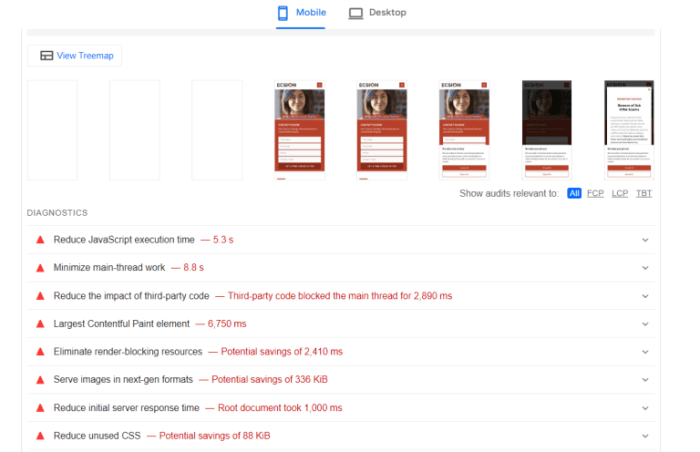

Mobile-first indexing and SEO Strategies for Success

Indexing seo cloud

Mobile-first indexing and are reshaping how businesses approach their online presence, reflecting the growing importance of mobile usability in today’s digital landscape. As more users access websites via mobile devices, search engines have shifted their focus to prioritize mobile-friendly sites in their rankings, making it crucial for webmasters to adapt.

This shift means that understanding mobile-first indexing isn’t just a technical necessity; it’s a strategic imperative. By implementing best practices tailored for mobile optimization, businesses can enhance their visibility and ensure an optimal user experience, ultimately leading to better engagement and conversions.

Mobile-First Indexing and Its Importance

Mobile-first indexing is a crucial development in the way search engines evaluate and rank websites. As more users access the internet via mobile devices, search engines like Google have adapted their indexing methods to prioritize mobile versions of web content. This shift signifies a transition where the mobile version of a site is considered the “primary” version, impacting its visibility and ranking in search results.The significance of mobile-first indexing lies in its reflection of user behavior and technological trends.

With mobile traffic surpassing desktop in many regions, search engines aim to deliver the most relevant content to users based on their browsing preferences. Consequently, websites that are not optimized for mobile may find themselves at a disadvantage in search rankings. This transformation urges webmasters to prioritize mobile design, ensuring seamless user experiences that can significantly influence engagement and conversion rates.

Impact on Website Rankings

The adoption of mobile-first indexing directly affects how websites are ranked on search engines. When a search engine crawls websites, it now prioritizes the mobile version for indexing and ranking. This change introduces a new set of criteria for evaluating a site’s relevance and quality. Websites that provide an optimal mobile experience often enjoy higher search rankings, while those lagging behind in mobile optimization risk lower visibility.

Factors influencing rankings include:

  • Page load speed, where faster-loading pages retain users better and improve rankings.
  • Mobile usability, which encompasses ease of navigation and overall user experience on mobile devices.
  • Content accessibility, ensuring that important information is readily available and not hidden behind expandable menus or features that may not function well on mobile.
  • Responsive design, which allows a website to adapt to any screen size, maintaining functionality and aesthetic appeal.

The importance of these factors cannot be overstated, as a mobile-friendly site not only meets user expectations but also aligns with search engine algorithms designed to deliver the best search results.

Best Practices for Optimizing for Mobile-First Indexing

To effectively optimize a website for mobile-first indexing, several best practices should be implemented. These practices enhance the site’s performance on mobile devices while meeting search engine criteria:

  • Use responsive web design: This ensures that your website’s layout adjusts seamlessly to different screen sizes without compromising content quality.
  • Optimize images: Utilize appropriately sized images and modern formats like WebP to enhance load times and performance.
  • Improve page speed: Minimize HTTP requests, leverage browser caching, and utilize Content Delivery Networks (CDNs) to ensure quick loading times, which is crucial for mobile users.
  • Prioritize above-the-fold content: Ensure that critical content is immediately visible without excessive scrolling, improving user engagement.
  • Implement structured data: Using schema markup helps search engines understand the context of your content, enhancing rich snippets in search results.
  • Test mobile usability: Regularly use tools like Google’s Mobile-Friendly Test to check how well your site performs on mobile devices and make necessary adjustments.

Implementing these best practices not only positions a website favorably for search engine rankings but also improves overall user satisfaction, which is a vital component in today’s digital landscape.

Strategies for Enhancing with Mobile-First Indexing

Mobile-first indexing and SEO

In an era where mobile devices dominate internet usage, optimizing your website for mobile-first indexing is crucial for improving your . Strategies to enhance in this context not only boost your site’s visibility but also enhance user experience across various devices. Below are effective methods to ensure your website performs well on mobile platforms.

Improving Website Performance on Mobile Devices

The performance of a website on mobile devices can significantly impact its search engine ranking. A fast-loading website is essential because users tend to abandon sites that take too long to load. Here are some strategies to enhance mobile performance:

  • Optimize Images: Use compressed and appropriately sized images to reduce loading times without sacrificing quality. Tools like TinyPNG can help achieve this effectively.
  • Minimize HTTP Requests: Reduce the number of elements on your page to lower the number of HTTP requests during loading. Consolidating CSS and JavaScript files can be beneficial.
  • Leverage Browser Caching: Enable caching to allow returning visitors to load your site faster. This can be achieved through setting appropriate cache control headers.
  • Implement Lazy Loading: Load images and videos only when they enter the viewport, which reduces initial load times and improves overall user experience.
  • Utilize Content Delivery Networks (CDNs): CDNs can distribute your content across multiple locations, ensuring faster delivery based on the user’s geographical location.

Ensuring Content Accessibility and User Experience on Mobile

Content accessibility and user experience are paramount when it comes to mobile-first indexing. The goal is to create an engaging and intuitive experience for users on smaller screens. Consider the following practices:

  • Use Legible Font Sizes: Ensure text is easily readable without users having to zoom in. A minimum font size of 14px is recommended.
  • Design for Touch: Make buttons and clickable elements large enough to be tapped easily without worrying about precision. A minimum target size of 44×44 pixels is suggested.
  • Prioritize Content: Place the most important information at the top of the page to capture user attention immediately.
  • Eliminate Pop-ups: Avoid intrusive pop-up ads that can hinder the user experience. Use banners that take up less space and are easy to dismiss.
  • Test Across Devices: Regularly test your site on various mobile devices and browsers to identify usability issues and make necessary adjustments.

Role of Responsive Design in Mobile-First Indexing and

Responsive design plays a critical role in mobile-first indexing and search engine optimization. It ensures that your website automatically adjusts to different screen sizes and orientations, providing a seamless experience regardless of the device used. Here are some key points about responsive design:

  • Unified URL Structure: A responsive website uses the same URL for both desktop and mobile versions, simplifying the indexing process for search engines.
  • Enhanced User Experience: Responsive design enables a consistent and user-friendly experience across all devices, which reduces bounce rates and improves engagement.
  • Improved Performance: Responsive sites are often faster because they serve the same HTML to all devices, adapting content layout via CSS.
  • Better Signals: Search engines, like Google, favor responsive design, which means responsive sites are more likely to rank higher in search results.
  • Future-Proofing: With the rapid evolution of devices, responsive design ensures your website remains accessible and visually appealing, regardless of new screen sizes or resolutions.

Responsive design is not just a trend, but a fundamental approach to web design that enhances both user experience and performance.

Integrating Mobile-First Indexing with Digital Marketing

The integration of mobile-first indexing into digital marketing strategies is essential for businesses looking to thrive in today’s digital landscape. As mobile usage continues to surge, understanding the implications of this shift on marketing efforts can help ensure that brands remain competitive and visible. Mobile-first indexing means that Google primarily uses the mobile version of a website’s content for indexing and ranking.

Thus, aligning digital marketing strategies with mobile-first principles is crucial for optimizing visibility and engagement.The relationship between mobile-first indexing and search engine marketing (SEM) is significant. Since mobile devices are now the primary means through which users access the internet, ensuring that SEM campaigns are mobile-optimized can enhance their effectiveness. A well-structured, mobile-friendly website not only improves user experience but also positively impacts Quality Scores in paid search campaigns.

This creates a cycle where mobile optimization leads to better ad placements and, consequently, increased traffic and conversions.

Strategies for Promoting Websites on Social Media with Mobile Usability Considerations

Social media platforms are predominantly accessed via mobile devices, making it essential to implement strategies that enhance mobile usability. Here are key strategies to consider:

  • Visual Content Optimization: Since social media is heavily reliant on visuals, ensure that images and videos are optimized for mobile viewing. Content should load quickly and be formatted for mobile screens.
  • Short-Form Content: Create concise and engaging posts that capture attention quickly. Mobile users tend to skim content, so direct messaging is vital.
  • Mobile-Friendly Landing Pages: Always link social media posts to landing pages that are mobile-optimized. This ensures seamless navigation and reduces bounce rates.
  • Utilize Stories and Reels: Platforms like Instagram and Facebook offer story features that are designed for mobile use. These formats can increase engagement and provide quick, digestible information.
  • Call-to-Action Buttons: Incorporate clear and easy-to-click call-to-action buttons in your posts, ensuring they are optimized for mobile devices to encourage user interaction.

Comparing Web Hosting Solutions for Mobile-First Indexing Support

Selecting the right web hosting solution is crucial for effective mobile-first indexing. The hosting environment directly affects page load times and overall mobile performance. Here’s a comparison of different hosting types that support mobile-first indexing:

  • Shared Hosting: Economical but often slower due to resource limitations. While suitable for small websites, it may not support mobile-first indexing well during peak traffic.
  • VPS Hosting: Offers a balance between performance and cost. Provides dedicated resources which can enhance loading speeds, positively impacting mobile user experience.
  • Cloud Hosting: Highly scalable and reliable, cloud hosting distributes resources across multiple servers, ensuring fast load times even under heavy traffic, which is ideal for mobile usage.
  • Managed WordPress Hosting: Optimized specifically for WordPress sites, this hosting type ensures fast performance and security, crucial for mobile-first indexing.
  • Dedicated Hosting: Offers complete control and maximum performance, making it the best option for large websites with high traffic volumes but comes at a higher cost.

“Choosing the right hosting solution is fundamental to ensuring that mobile-first indexing efforts yield positive results, ultimately driving user engagement and satisfaction.”

Ending Remarks

Indexing seo cloud

In conclusion, embracing mobile-first indexing and integrating effective strategies is vital for businesses hoping to thrive in a competitive digital environment. By focusing on mobile optimization, site performance, and user experience, companies can not only improve their search rankings but also foster deeper connections with their audience. Adapting to this mobile-centric approach can open doors to new opportunities and ensure long-term success.

Questions and Answers

What is mobile-first indexing?

Mobile-first indexing means that Google primarily uses the mobile version of a website for ranking and indexing, reflecting the habits of users who predominantly browse on mobile devices.

How can I check if my site is mobile-friendly?

You can use Google’s Mobile-Friendly Test tool to see if your site passes mobile compatibility checks and receive suggestions for improvement.

What are the best practices for mobile optimization?

Best practices include using responsive design, optimizing images, improving loading speed, and ensuring easy navigation for mobile users.

Does mobile-first indexing affect desktop versions?

While mobile-first indexing emphasizes mobile versions for ranking, it does not directly harm desktop rankings as long as the desktop version is also optimized.

How does page speed impact mobile-first indexing?

Page speed significantly affects mobile-first indexing since faster-loading pages provide a better user experience, which can lead to improved rankings.